These Are the Symptoms of Heatstroke in Cats: Harder to Detect and Life-Threatening
Published: 2025. 08. 02. 07:30 -
- Photos: Getty Images Hungary • 2 minutes readingPublished: 2025. 08. 02. 07:30 -
- Photos: Getty Images Hungary • 2 minutes reading
 Set WeloveCatz to appear first in Google search results!
In cases of heatstroke, delayed help can cost a cat its life, so it’s crucial to recognize the danger in time. The following symptoms are warning signs.

This year’s extremely hot summer has brought a lot of warnings about the dangers of heatstroke, both for humans and animals. Since cats instinctively hide pain and tend to withdraw when they are sick or unwell, it can be difficult to notice the first signs in time. Let’s go through what to watch out for!

If you suspect heatstroke, the first step is to move the animal to at least a shaded area, preferably an air-conditioned room. However, be careful not to make the environment too cold, as a sudden temperature drop can also put stress on the body. If the cat is conscious, try to get it to drink water.
If you have someone to help, they should call the veterinarian immediately while you start first aid. Heatstroke requires urgent professional care and cannot be treated at home. However, you must begin cooling the animal right away! Covering it with wet towels is not effective—in fact, it can trap heat and make the situation worse.
Instead, immerse the cat in cool (not ice-cold) water up to the neck, or begin cooling at the paws and underbelly.
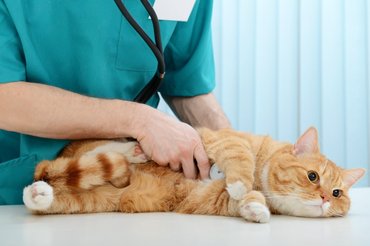
As with any illness or external threat, elderly, very young, malnourished, and chronically ill cats are more vulnerable to heatstroke. Additionally, just as with dogs, brachycephalic (flat-faced) breeds such as Persians, Exotic Shorthairs, and Scottish Folds are at a significantly higher risk.
Outdoor-only cats and strays are also more likely to overheat, and they are at increased risk of dehydration as well.
Follow us!
facebook instagram
Related articles


7 Reasons Why Cats Arch Their Backs
Life • 4 minutes
How to cut your cat's claws safely
Care • 3 minutes