You’ve Never Seen Cats With Patterns This Strange! (Video)
Published: 2026. 05. 04. 07:30 -
- Photos: Getty Images Hungary • 3 minutes readingPublished: 2026. 05. 04. 07:30 -
- Photos: Getty Images Hungary • 3 minutes reading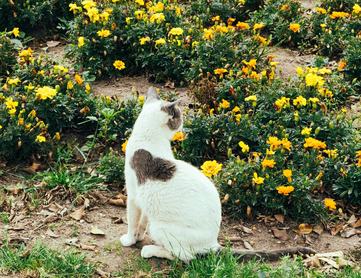
 Set WeloveCatz to appear first in Google search results!
Nature is sometimes a true artist, and other times it seems to have run completely wild with imagination: from a werewolf-looking kitty to a tabby with a permanently surprised face, there are some truly unusual cats and bizarre coat patterns out there that you’d hardly believe are real at first glance.

Although we all adore the classic soft and fluffy tabbies, the feline world holds some genuinely astonishing surprises. Some breeds captivate not with their silky fur, but precisely with the lack of it—or with their bizarre, almost supernatural appearance. The strangest and rarest coat patterns prove that genetics is capable of wonders.
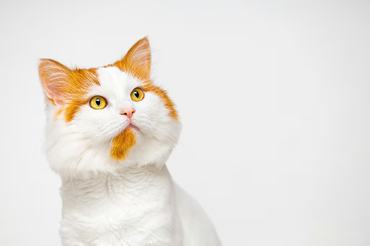
Researchers at Stanford Medicine have identified a gene that regulates coat color variation in tabby cats. A cat’s pattern is established as early as the fetal stage, before hair follicles even appear, through changes in the thickness of the skin tissue. The key to this process is the DKK4 gene, which becomes active in thickened areas and acts like a genetic map, marking where darker spots will later develop.
Experts are currently investigating how the skin’s cellular memory preserves these early instructions until later pigmentation occurs. The next phase of research focuses on identifying additional genes responsible for spots and stripes.
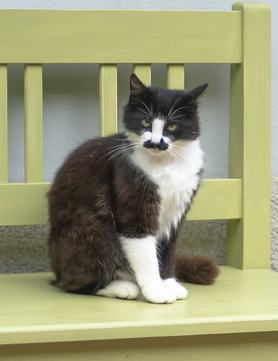
The coat patterns of cats are incredibly varied. We’ve gathered the names of the most common shades and markings and explain what they mean.
Solid-colored cats have coats with no spots or patterns, displaying a uniform shade from the tip to root. The most common colors are black, white and grey.
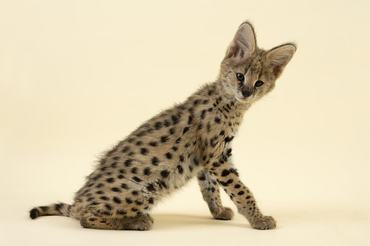
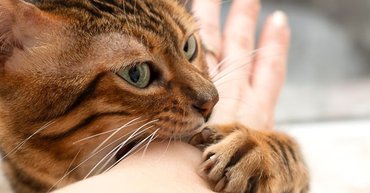
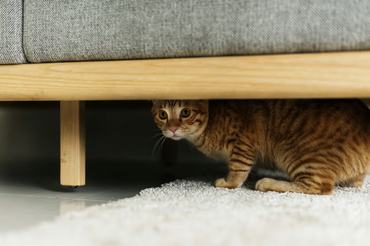
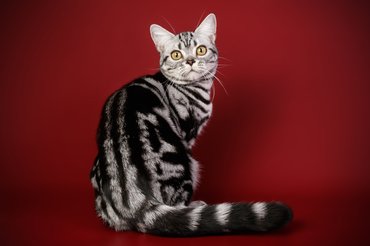
This is the oldest pattern, instantly recognizable by the distinctive “M” marking on the forehead. It can appear as classic, mackerel, spotted, or ticked (banded within each individual hair). A tabby cat can be grey/brown or ginger.
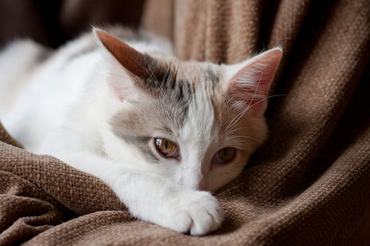
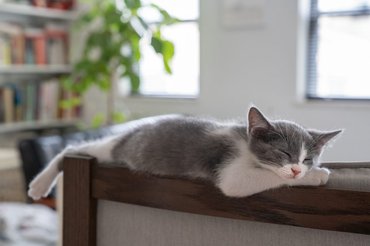
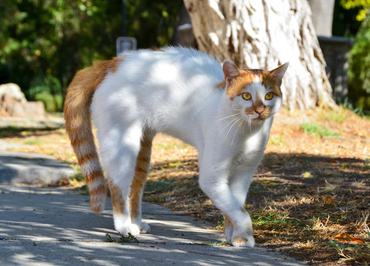
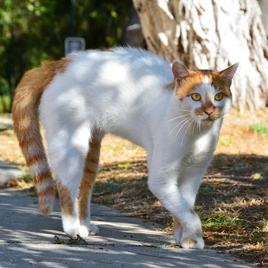
In this case, another color appears on a white base. The size of the colored patches can range from minimal markings to nearly full coverage. This category includes the popular black-and-white “tuxedo” cats.
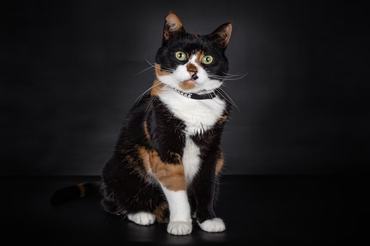
A calico coat consists of sharply defined white, black, and red patches. Due to genetic coding, this color combination is found almost exclusively in females.
Here, black and red blend together in a marbled pattern rather than appearing as distinct patches. Like calicos, this is typically a trait of female cats.
This rare variation is a mix of tortoiseshell and tabby patterns. The primarily tabby coat is scattered with reddish patches and spots.
The following terms describe the most common markings that appear in specific areas:
Small to larger white spots on the neck, chest, or belly.
Neat white “gloves” on the legs, often accompanied by a colored patch above the heel (especially common in Birman cats).
A white tail tip or a colored “cap” on the top of the head between the ears.
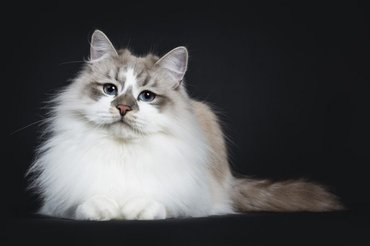
A white stripe running along the bridge of the nose or forehead, often appearing as an inverted V-shape in Ragdolls.
Follow us!
facebook instagram
Related articles



7 Reasons Why Cats Arch Their Backs
Life • 4 minutes
How to cut your cat's claws safely
Care • 3 minutes