Major Breakthrough in Cancer Research: Striking Similarities Between Cats and Humans
Published: 2026. 03. 15. 07:30 -
- Photos: Getty Images Hungary • 4 minutes readingPublished: 2026. 03. 15. 07:30 -
- Photos: Getty Images Hungary • 4 minutes reading
 Set WeloveCatz to appear first in Google search results!
The first detailed genetic map of tumors in domestic cats reveals remarkable parallels with human cancer types, potentially opening new avenues for treatments in both species.

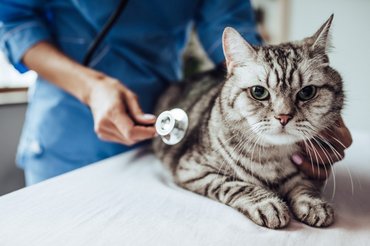
Cancer is one of the leading causes of illness and death in cats, yet very little is known about how it develops. In this new study, scientists analyzed DNA from nearly 500 tumors in domestic cats, identifying key genetic mutations. Here’s why and how studying cancer in cats could also help advance treatments for human cancers.
While extensive cancer research has been conducted in dogs, cats have remained a relatively unexplored area. An international research team led by the Wellcome Sanger Institute in Cambridge examined approximately 1,000 genes associated with 13 different types of feline cancers. They found that many genes driving tumors in cats are also present in humans, suggesting that the fundamental biological processes underlying tumor growth and spread are similar in both species.
Researchers believe domestic cats could be crucial for understanding certain types of breast cancer, such as triple-negative breast cancer, which accounts for about 15% of human cases. This subtype is more common in cats than in humans, offering scientists more samples to study and clues for developing new therapies.
“This confirms that the domestic cat is not just a beloved pet, but a vital partner in the fight against cancer. We are now moving toward a stage where we can treat the specific mutation, not just the species or necessarily a specific tumor type. We can utilize the information that we find in people and translate that to cats, and also from cats to humans. We are no longer looking at these as separate problems, but as a shared biological challenge," – said Latasha Ludwig, co-author of the study.
Cancer is often driven by genetic changes, such as mutations, regulatory disruptions, or abnormal gene expression. The most commonly mutated gene in cats was TP53, which showed mutations in 33% of the tumors analyzed. In a separate human study, the same gene was implicated in 34% of all human tumors.
Among the attractive aspects of studying feline cancers to learn more about human cancers is that cats are exposed to similar environmental conditions as humans – as opposed to, say, mice, a commonly used animal in biomedical research. They also suffer from many of the same diseases as humans, supporting the notion that these two species share at least some basic mechanisms of disease
Among the most exciting findings were the parallels in breast cancer between cats and humans, as feline mammary carcinomas are notoriously aggressive. Recent research identified seven key genes whose mutations trigger disease development. The most common was FBXW7, altered in over half of the tumors studied. This aligns with human clinical data, which show that mutations in FBXW7 are generally associated with poorer prognosis in breast cancer.
The study also showed that certain chemotherapy treatments were more effective against feline tumors carrying the FBXW7 mutation. While these findings were observed in laboratory tissue cultures and require further investigation, they point to a promising therapeutic strategy that could benefit both cats and humans battling breast cancer.

The research also uncovered parallels between human and feline mutations in cancers of the hematopoietic system, bones, lungs, skin, gastrointestinal tract, and central nervous system. One particularly interesting result relates to squamous cell carcinoma. Many skin cancers were linked to UV-induced damage, similar to what is observed in various types of human skin cancer. This highlights the role of our shared environment.
The study further supports the “One Health” concept, emphasizing that two-way data exchange between veterinary and human medicine can accelerate medical advancements for both fields.
Follow us!
facebook instagram
Related articles

7 Reasons Why Cats Arch Their Backs
Life • 4 minutes
How to cut your cat's claws safely
Care • 3 minutes