5 Foods That Can Potentially Kill Your Cat
Published: 2025. 11. 29. 07:30 -
- Photos: Getty Images Hungary • 2 minutes readingPublished: 2025. 11. 29. 07:30 -
- Photos: Getty Images Hungary • 2 minutes reading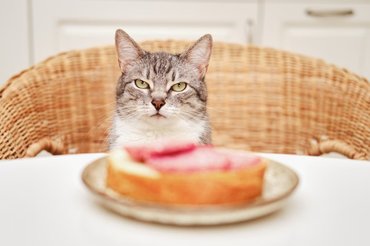
 Set WeloveCatz to appear first in Google search results!
Most human foods aren’t suitable for cats, but some are especially dangerous. Even a small amount of these can cause life-threatening poisoning.

There are still many misconceptions about how cats should be fed, and many people don’t truly understand what their pets actually need. As we’ve written many times before, cats are obligate carnivores — they can meet all their nutritional requirements from animal-based food.
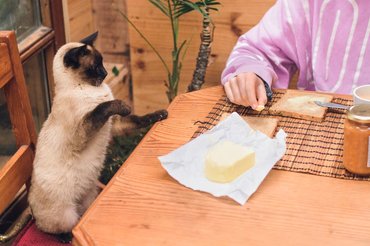
While certain vegetables, fruits, and grains in small amounts usually don’t cause issues (we’ll get to these later), they’re not necessary either. Meanwhile, some foods and ingredients can trigger extremely serious reactions.
Too much salt can lead to dehydration, high blood pressure, and kidney problems. The salt content of food made for humans is already far too high for cats.
The main culprit is theobromine, found in cocoa, which can cause heart and neurological symptoms, as well as caffeine, which has similar harmful effects on pets. Depending on the cat’s sensitivity and health, even tiny amounts can be lethal. So cats should never be given chocolate or any chocolate- or cocoa-based sweets (and neither should dogs!).

Compounds called thiosulfates in onions can damage red blood cells, so pets must never consume onions — raw or cooked. Be especially careful, because many store-bought meat products, including some liver pâtés, are flavored with onion. Many people unknowingly offer these to their cats or hide medication inside them. Only choose onion-free products for this purpose, but ideally, use a creamy pâté specifically made for cats.
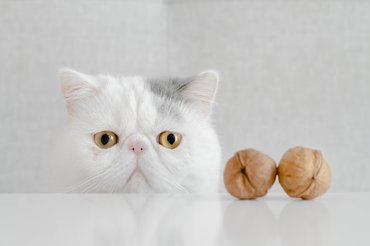
Many nuts — including almonds and walnuts — are healthy for humans but dangerous for cats due to their high phosphorus content. Foods seasoned with nutmeg can even cause hallucinations.
Grapes and their dried form, raisins, contain tartaric acid, which can severely damage the kidneys of cats and dogs — potentially causing life-threatening conditions.
Follow us!
facebook instagram
Related articles
7 Reasons Why Cats Arch Their Backs
Life • 4 minutes
How to cut your cat's claws safely
Care • 3 minutes