7 Reasons Why Cats Arch Their Backs
Published: 2026. 05. 30. 07:30 -
- Photos: Getty Images Hungary • 4 minutes readingPublished: 2026. 05. 30. 07:30 -
- Photos: Getty Images Hungary • 4 minutes reading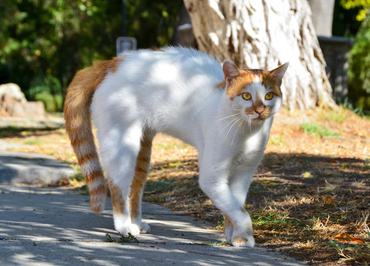
 Set WeloveCatz to appear first in Google search results!
Although this behavior is often associated with fear or aggression, there are actually several other reasons why cats arch their backs.

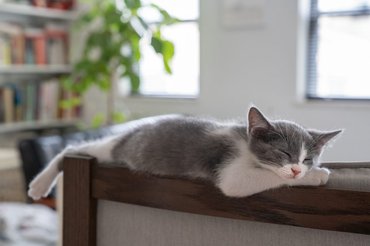
One of the most common reasons cats arch their backs is to stretch their spine after a long nap. Stretching improves circulation and blood flow after lying still for a while. Just like in humans, it helps prevent muscle stiffness, relaxes tight muscles, and improves flexibility and range of motion. This is an instinctive behavior in our feline friends and helps them maintain good physical condition. Arching their backs is one way they prepare for their next activity — running, jumping, playing, or hunting.
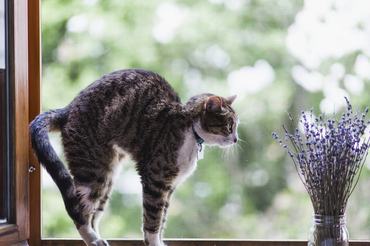
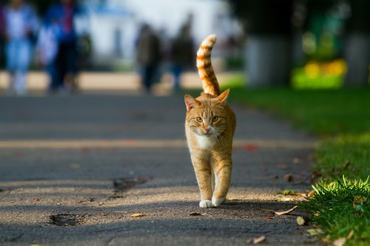
An arched back can also express positive emotions such as happiness, excitement, or anticipation. If your cat does this when you enter the room, it often means they are happy to see you and are expressing affection and trust. A happy cat may greet you with a slightly arched back, relaxed body posture, and an upright tail with a gentle curve. If excited, they may also purr, head-butt, rub against your legs, or follow you around. Happy cats are often vocal as well — chirping, trilling, and meowing with excitement.
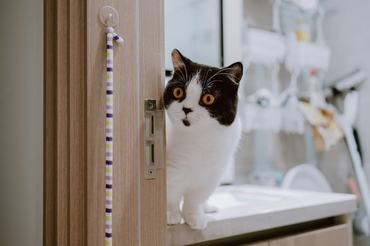
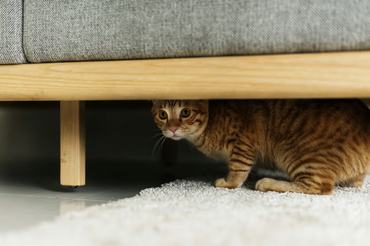
A scared cat arches its back when it senses danger nearby. In these situations, its fur may also stand on end — a reaction called piloerection. Essentially, this is “cat goosebumps.”
Other signs of fear include:
These signals indicate that your cat is preparing either to fight or flight. It’s best to give them space and allow them to calm down, because approaching a frightened cat can sometimes trigger aggressive behavior.

An angry cat often looks similar to a frightened one because both adopt defensive body language. In these moments, your furry friend is trying to appear larger and more intimidating. They may arch their back dramatically, puff up their fur, hold their tail stiff and fluffed up. The ears may tilt backward or sideways while staying close to the head, and the cat may even stand on tiptoe. One subtle difference is that frightened cats usually have dilated pupils, while angry cats tend to have narrowed pupils. An angry cat may hiss, growl, or yowl loudly — all clear signs of confrontation.
Another reason cats arch their backs is to establish territorial or personal boundaries. This body language warns people or other animals to keep their distance. Cats are naturally territorial creatures and instinctively defend their space. For example, if a neighboring cat enters the yard and your cat feels its home is threatened, it may arch its back, puff up its fur, and adopt a defensive stance.
The message is clear:

Have you ever seen a kitten sidestep with its back arched? It’s one of the funniest things cats do. This behavior is sometimes called “crab walking,” and it’s often a playful invitation. This energetic, social behavior is most common in kittens interacting with other cats, humans, or toys. The adorable sideways hopping with an arched back is usually a sign of happiness and excitement while they pounce, chase, or pretend-hunt — just like in those funny internet videos.
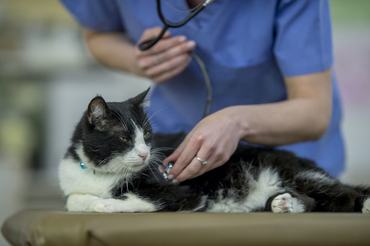
In most cases, an arched back is completely normal. However, cats may also arch their backs if they are experiencing spinal or abdominal pain.
Possible causes include:
Unfortunately, health problems can sometimes be behind this behavior, so it’s important to pay attention to accompanying symptoms.
When a cat arches its back, it can express many different emotions and intentions. That’s why it’s important to observe other visual cues as well — such as ear position, tail movement, pupils, and overall body language — to understand what your cat is trying to communicate. Learning to interpret these signals can help us better understand our feline companions and build a deeper bond with them.
Follow us!
facebook instagram
Related articles

Why Cats Hide When They Feel Unwell
Life • 4 minutes
How to cut your cat's claws safely
Care • 3 minutes