Why Cats Hide When They Feel Unwell
Published: 2026. 05. 25. 07:30 -
- Photos: Getty Images Hungary • 4 minutes readingPublished: 2026. 05. 25. 07:30 -
- Photos: Getty Images Hungary • 4 minutes reading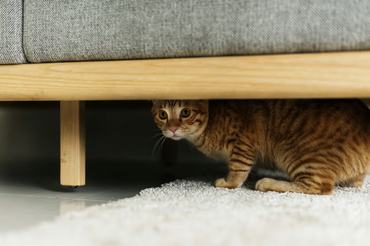
 Set WeloveCatz to appear first in Google search results!
As a cat owner, you may have already experienced the unsettling moment when your usually affectionate pet suddenly withdraws and disappears into hiding. It can be frightening when your normally playful companion retreats into the dark instead of seeking your company. However, this behavior is more natural than you might think. Cats instinctively hide when they are sick; understanding this can help us care for them much more effectively.

In the following guide, we’ll help you recognize the subtle signs cats may show when they are ill, so you can make sure your pet receives the veterinary care they need in time.

Even though our pets live safely in our homes, the instincts inherited from their wild ancestors still strongly influence their behavior. In nature, a sick or injured animal can easily become prey — so they hide until they feel strong enough again.
You may often find them under the bed or couch, deep inside closets, or behind boxes in the garage. Hiding is especially common in cats, although it can occur in any pet. Since cats in the wild are both predators and prey, they have learned to conceal weakness and seek safe places where they can recover undisturbed. Of course, not all hiding indicates illness. However, if you notice the following signs as well, it’s worth becoming suspicious and contacting a veterinarian.
A hunched posture, pressing against walls, or limping may all indicate that your pet is in pain or feeling ill. If your cat lies in an unusual position, it may help them breathe more easily or avoid discomfort.
Just like humans, animals often lose their appetite when they do not feel well. If your pet is not touching food or water, it can be a warning sign. In some cases, mobility problems may prevent them from reaching their food or water bowls. A lack of food and fluid intake can weaken a cat very quickly and may even lead to severe dehydration or hepatic lipidosis within just 1–2 days, so immediate action is important. If your cat refuses to eat even when food is right in front of them, whisker stress could also be a possible cause.

If you manage to coax your cat out of hiding, observe whether they walk steadily. Wobbling, limping, or dragging the hind legs may indicate illness, injury, joint problems, or even neurological disorders.
When cats stop eating, they also eliminate less frequently. However, if your cat does not urinate or defecate at all for an entire day, it may indicate an intestinal blockage or urinary obstruction — both of which are medical emergencies. Difficulty moving can also make it harder for the cat to use the litter box, leading to accidents.

Cats do not only purr when they are happy — they may also purr when they are in pain as a way to comfort themselves. If your cat is hiding and purring excessively, it could indicate illness or injury.
Pain can make pets irritable or aggressive, just as it can affect humans.
When an animal is hiding, symptoms can be difficult to notice, but smells may give clues. Using a flashlight to carefully check corners and spaces under furniture can help — just avoid shining the light directly into the cat’s eyes.
Sick animals may cough, sneeze, or have discharge coming from various body openings. Additional warning signs include pale gums, dilated pupils, an unkempt coat, rapid breathing, exhaustion, or confusion.

If your four-legged friend is suffering from only a mild illness, they may come out on their own within a day or two. However, if the hiding continues after two days, it is recommended to take them to a veterinarian as soon as possible. A thorough examination can help identify the problem and provide proper treatment.
Do not force them out of their hiding place. Respect their need for solitude, and avoid trying to drag them out against their will. Occasional hiding is not necessarily a cause for concern. However, if the behavior appears suddenly or is triggered by some kind of change, it is important to handle the situation carefully.
Follow us!
facebook instagram
Related articles


7 Reasons Why Cats Arch Their Backs
Life • 4 minutes
How to cut your cat's claws safely
Care • 3 minutes