Outdoor cats can carry pathogens dangerous to humans just like stray cats
Published: 2026. 05. 31. 07:30 -
- Photos: Getty Images Hungary • 3 minutes readingPublished: 2026. 05. 31. 07:30 -
- Photos: Getty Images Hungary • 3 minutes reading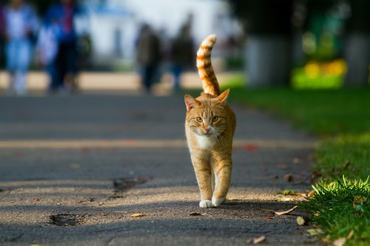
 Set WeloveCatz to appear first in Google search results!
We have written several times before about the destruction free-roaming domestic cats can cause to wildlife, and it is also well known that the lifespan of outdoor and free-roaming animals is shortened by years due to traffic accidents, poisoning, and dog attacks — just to mention a few reasons. However, until now, less attention has been paid to the fact that free-roaming pet cats may carry disease risks similar to those of their wild counterparts.

A global analysis led by the University of British Columbia examined data from more than 174,000 cats and found that owned cats allowed outdoors carry infectious diseases at rates similar to stray or feral cats — even when they regularly receive veterinary care.

The study was published at the end of April in the journal PLOS Pathogens. Researchers analyzed data from 604 studies involving more than 174,000 cats across 88 countries and identified 124 different pathogens, nearly 100 of which may also pose a danger to humans. These include Toxoplasma gondii, various roundworms (such as Toxocara cati), Bartonella bacteria (which causes cat scratch disease), and Leptospira. The study even detected H5N1 avian influenza in outdoor cats, which is particularly concerning for animals living near poultry farms.
Outdoor cats were 3–5 times more likely to carry diseases than strictly indoor cats, and their infection rates were very similar to those of wild cats. “We expected outdoor cats would have higher disease risk than indoor cats, because the range of diseases indoor cats are exposed to is much smaller,. But we were surprised that owned outdoor cats were comparable to feral cats for overall infection risk,” explained Amy Wilson, adjunct professor at UBC’s Department of Forestry and Conservation Sciences, practicing veterinarian, and lead author of the study.
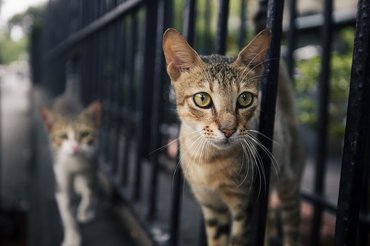
The reasons behind the findings are relatively clear: outdoor cats hunt rodents, and these animals often carry infections. Even just a few hunts per month may be enough for diseases to spread, and owners also tend to underestimate how much their cats hunt. According to research, owners are unaware of about 80% of the prey their cats catch.
The data challenges the common public health assumption that mainly stray and feral cats are responsible for disease transmission risks. Outdoor pet cats may act as a bridge between pathogens carried by wildlife and humans. According to Amy Wilson, another problem is that many cat owners are not properly informed about what diseases they can catch from their pets and how the animal’s lifestyle influences this risk.
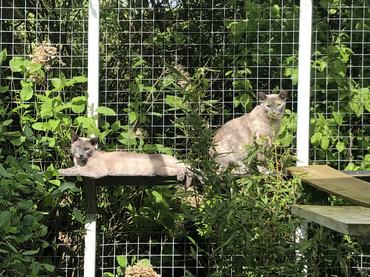
Worldwide, approximately 62% of owned cats are allowed outdoors, and in some regions this figure exceeds 90%. Researchers say there are ways to reduce infection risks. Supervised outdoor access — such as enclosed cat patios (catios), cat-proof fencing, or using a harness during walks — can provide cats with environmental stimulation while reducing contact with wildlife and other outdoor cats. “Vaccines and deworming alone are not enough, as they don’t address many potential pathogens,” Amy Wilson emphasized.
The study also points out that when infected cats defecate in public spaces, the risk no longer affects only the owners. According to the researchers, a similar shift in attitude is needed for our purring companions as occurred years ago with dogs — namely, that free roaming by cats should be restricted for animal welfare and public safety reasons. In Hungary, incidentally, animal protection law already requires owners to keep their cats within their property boundaries.
Follow us!
facebook instagram
Related articles
7 Reasons Why Cats Arch Their Backs
Life • 4 minutes
Why Cats Hide When They Feel Unwell
Life • 4 minutes
How to cut your cat's claws safely
Care • 3 minutes