This Is Why Bobcats Even Climb to the Tops of 15-Meter-Tall Cacti (Video)
Published: 2026. 01. 04. 07:30 -
- Photos: Getty Images Hungary • 2 minutes readingPublished: 2026. 01. 04. 07:30 -
- Photos: Getty Images Hungary • 2 minutes reading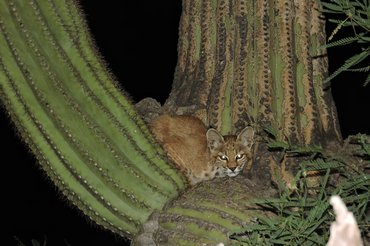
 Set WeloveCatz to appear first in Google search results!
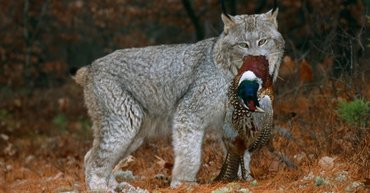
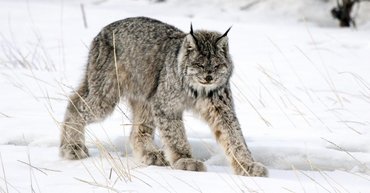
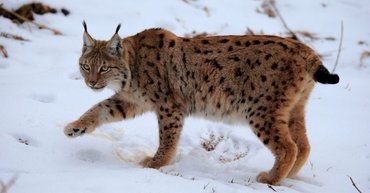
The bobcats living in the southwestern United States have adapted to harsh conditions in a remarkable way. They are regularly observed perched atop saguaro cacti that can grow as tall as 15 meters.

Weighing 5–6 tons, these cacti are no longer just symbols of the state of Arizona (USA); their name and appearance have also become closely associated with the lynxes living in the area—animals that don’t seem to mind the plant’s spines, which average 4–7 cm in length. Don’t worry, the cats haven’t suffered heatstroke; quite the opposite—there’s a very good reason why they move onto the cacti.
As part of their survival strategy, bobcats have chosen to take shelter among the prickly arms. Experts believe these massive plants provide protection from predators such as cougars, snakes, and coyotes. These predators apparently avoid plants armed with spines, and from such heights the cats also gain an excellent view of their territory. As we know, felines generally position themselves high up for two reasons: from there they can detect approaching danger sooner, and they can more easily spot suitable prey—since they don’t see well at close range, but do see well at a distance.
Saguaro cacti also protect them from the sweltering heat when they settle among the branching arms. To survive in desert conditions, bobcats adjust their active hours to the position of the sun. When the sun is at its strongest, they often seek shade and safety by hiding among the cactus arms.
From time to time, videos and photos also appear online showing a lynx surveying the world from the very top of a cactus. The animal likely climbed so high because it was fleeing a predator and instinct drove it upward. According to experts, there’s no reason for concern: even if it’s difficult, the cat will eventually be able to climb down. The key point is that if we witness something like this, we should leave the animal alone—it knows what it’s doing.
First of all, these cats have incredible climbing ability and coordination—thanks to their agile movement, they can safely scale even such a spiny plant. Their retractable claws help them climb, as do their paws, which are hardened by rough terrain, along with their paw pads, which are partially covered with fur. Yes—not only between the pads, but also on their surface, fur grows to a seasonally varying extent.
Follow us!
facebook instagram
Related articles


7 Reasons Why Cats Arch Their Backs
Life • 4 minutes
How to cut your cat's claws safely
Care • 3 minutes