This Is Why a Cat Can Go Crazy From One Moment to the Next
Published: 2025. 12. 13. 07:30 -
- Photos: Getty Images Hungary • 3 minutes readingPublished: 2025. 12. 13. 07:30 -
- Photos: Getty Images Hungary • 3 minutes reading
 Set WeloveCatz to appear first in Google search results!
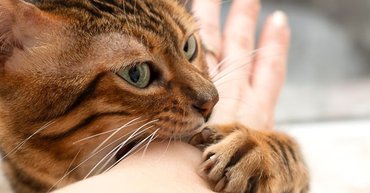
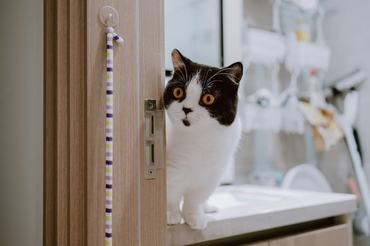
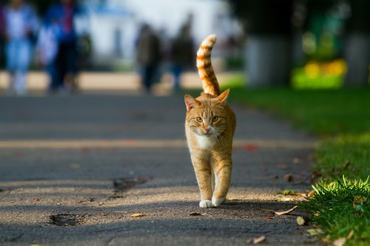
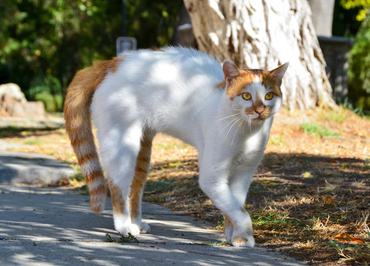
If you have a cat, you’ve probably seen it happen: one moment your calm, peaceful pet is resting, and the next its pupils are wide, it jumps up, grabs your hand, or starts zooming around the room. Sounds familiar? Here’s what’s going on!

Even if it sometimes looks as though your cat has suddenly gone crazy, what you’re seeing is actually a completely normal reaction — although the triggers can vary, as experts at the Cornell University College of Veterinary Medicine also emphasize.
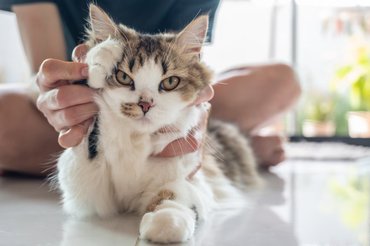
Since the causes may include physical problems — such as pain — the most important step is to rule out health issues. For example, if you’re petting your cat and it suddenly jumps up, hisses, or swats, you should check for injuries. You may not find a visible wound, but there could be a sensitive or painful area your cat is trying to avoid. In such cases, you must take your cat to the veterinarian. A sudden, dramatic change in behavior is always a warning sign, and as an owner your first task is to rule out medical problems.
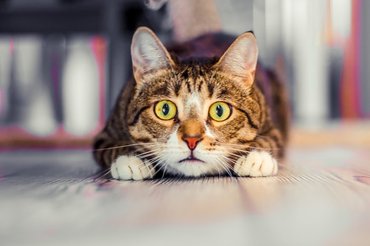
It may also be that you unintentionally startled your cat. Maybe you reached toward it too suddenly, or dropped something that frightened it. Even a new piece of furniture or an unexpected object — for instance, a decoration falling off a shelf — can cause alarm. In response, a previously calm cat may jump up and bolt away.
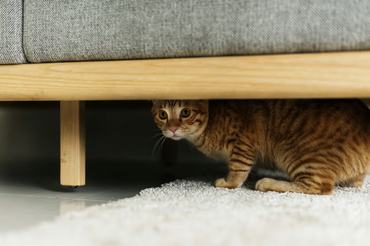
If an ongoing change is causing chronic stress — for example, during or after a move — it may help to use pheromone products, which have a calming effect on cats. Otherwise, try to eliminate the source of stress if possible. This is important because long-term stress can lead to physical illness in animals, just as it does in humans.
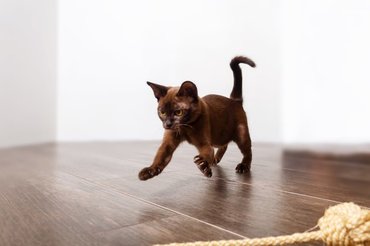
A bored pet often displays “weird behavior”; one such example is when a cat “goes crazy”: running back and forth around the home, bumping into things, pouncing on your feet… This phenomenon is known as “the zoomies,” and we also see it in dogs. It’s essentially a burst of energy the animal needs to burn off. If you spend time playing with your cat, and if it has things to entertain itself with — toys, a scratching post, an empty cardboard box — you’ll likely see this behavior less often. But it can still happen, and it’s perfectly natural; there’s no reason to worry.
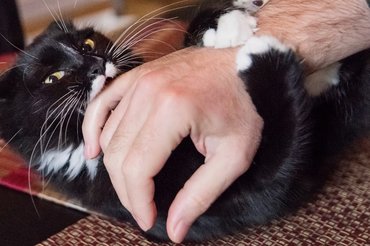
Finally, it’s possible that although you’re trying to engage with your cat, play with it, or give it affection, you’re not doing so in a way that feels good to the animal — it may bother, irritate, or discomfort it. For example, you might be pulling its fur, petting it in a spot it dislikes (cats are very sensitive about their belly, and many also protect their paws), or the timing might simply be wrong — your cat may want rest and quiet instead of social interaction. This is why it’s important to learn how to interpret your cat’s signals and body language, and to familiarize yourself with proper care routines.
Follow us!
facebook instagram
Related articles

7 Reasons Why Cats Arch Their Backs
Life • 4 minutes
How to cut your cat's claws safely
Care • 3 minutes