This is what happens in the brain when you hug your cat – the secret of oxytocin
Published: 2026. 01. 12. 07:30 -
- Photos: Getty Images Hungary • 3 minutes readingPublished: 2026. 01. 12. 07:30 -
- Photos: Getty Images Hungary • 3 minutes reading
 Set WeloveCatz to appear first in Google search results!
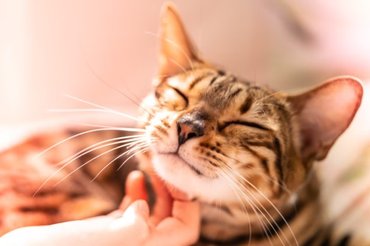
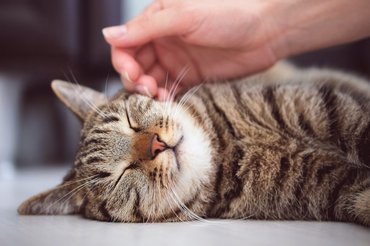
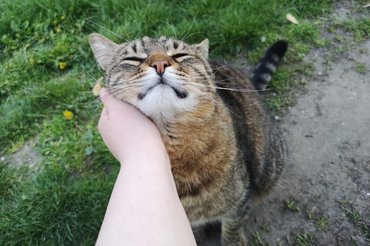
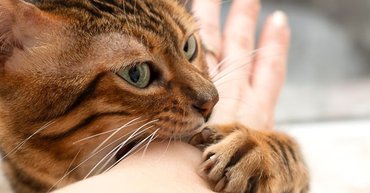
An increasing number of studies show that intimate moments spent with cats boost the production of the “love hormone”, oxytocin, not only in the owner’s brain but in the cat’s as well. Stroking, purring and slow blinking all contribute to strengthening mutual trust and reducing stress.

Although cats are famous for their independence, more recent research suggests that their relationship with their owners is based on a special interaction that is also supported by brain chemistry. Oxytocin, often referred to as the “love hormone”, plays a key role in social bonding, the development of trust and the regulation of stress. When a cat engages in friendly interaction with their owner, oxytocin levels rise in both of them, strengthening the bond and easing everyday stress.
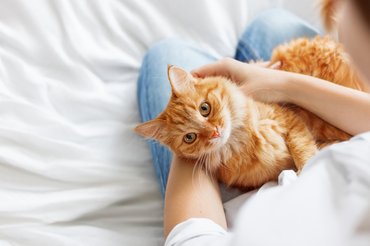
Oxytocin plays a central role in social bonding, trust and stress regulation in many animal species as well as in humans. A 2005 experiment showed that oxytocin significantly increases people’s willingness to trust others and also has a calming effect by lowering cortisol levels and activating the parasympathetic nervous system, which helps the body to relax.
Researchers have long known that friendly interactions trigger oxytocin release in both dogs and their owners, strengthening mutual attachment. In the case of cats, however, this is less widely known, as they express affection more subtly. Despite this, they are just as capable of providing warmth and a sense of companionship to humans. A Japanese study from 2021 showed that even a short period of stroking can increase oxytocin levels: women participating in the study spent a few minutes with their purring companions while scientists measured their hormone levels.
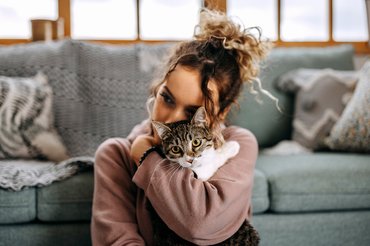
According to the results, friendly physical contact such as stroking or gentle speech was associated with an increase in oxytocin measured in saliva, compared to periods of rest without the tabbies. Particularly strong effects were observed when the cat initiated the contact, for example by climbing into the lap or rubbing against the person. It is also important to note that oxytocin helps to normalise heart rate and blood pressure, and even reduces the perception of pain.
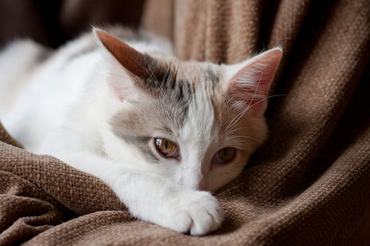
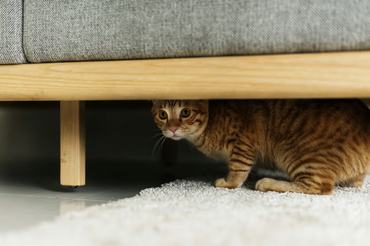
Studies also highlight that our furry companions do not display their affection through obvious gestures like dogs do. They communicate through slow blinking, purring and other subtle signals, forming a unique connection with humans by making use of the hormonal foundations of love and trust. During interactions, a rise in oxytocin can be detected not only in owners but also in their companions. In cats that feel safe, researchers observed waves of oxytocin. The more time they spend close to humans, the stronger the hormonal effect. However, in the case of avoidant or anxious cats, forced hugging can have the opposite result. The key, therefore, is respecting the cat’s comfort.
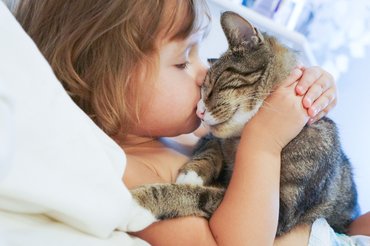
So next time your velvet-pawed friend slowly blinks at you from the sofa or climbs into your lap for a bit of affection, you will know that it is not only your hearts but also your brains that are being connected through the effects of oxytocin. All things considered, we can say that cats have found their own way of tapping into the ancient biology of love and bonding.
Follow us!
facebook instagram
Related articles

7 Reasons Why Cats Arch Their Backs
Life • 4 minutes
How to cut your cat's claws safely
Care • 3 minutes