Never Do These Things to Your Cat: It Can Harm Your Relationship
Published: 2025. 12. 21. 07:30 -
- Photos: Getty Images Hungary • 4 minutes readingPublished: 2025. 12. 21. 07:30 -
- Photos: Getty Images Hungary • 4 minutes reading
 Set WeloveCatz to appear first in Google search results!
We’ve gathered a few examples of what to watch out for when caring for a cat. It’s important to understand our cat’s behaviour and respond in ways that support and reassure them in certain situations.

Ensuring your cat’s happiness and health, as well as providing a safe environment, are essential parts of responsible pet ownership. To avoid stressing your cat or putting its health at risk, it’s important to know what you should and shouldn’t do. Otherwise, the bond between you and your cat may deteriorate.

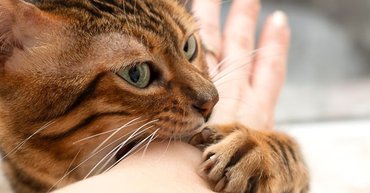
It can be tempting to tease your cat a little during playtime, thinking it’s harmless. However, some actions should be avoided:
As owners, we must protect our cats from potential hazards both indoors and outdoors. Outdoors, they face many dangers such as traffic, diseases, and predators, so keep them indoors if possible. There are also household dangers: cleaning products, medications, and certain foods should always be stored safely out of reach. Some houseplants, such as poinsettias, dieffenbachias, and cacti, can also be dangerous.
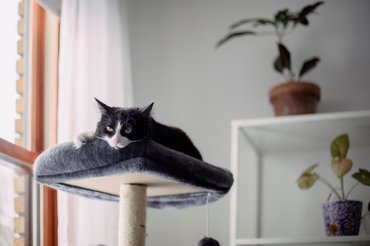
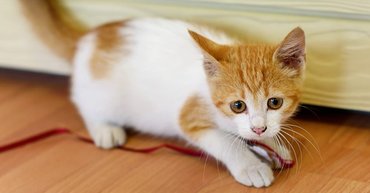
Cats need mental stimulation and plenty of physical activity to be happy. Boredom can lead to unwanted behaviours such as excessive scratching, overgrooming, reactivity, and destructive habits. Enrichment tools and toys help keep them healthy, happy, and occupied. Provide shelves, cat trees, and places to climb freely. Invest in interactive toys that mimic prey—like motorized mice—so your cat can release excess energy. Rotate toys regularly to keep them exciting. And above all, spend time playing with your cat yourself! Feather wands, laser pointers, whatever they enjoy.
Punishing a cat can damage the trust between you and your pet and lead to further behavioural issues—especially if you punish natural, instinctive behaviour. Animals do not connect punishment with their actions. Instead of punishment, use positive reinforcement to encourage desired behaviour. Reward your cat with treats, praise, and play. Positive associations make them more likely to repeat good behaviour.

Regular veterinary checkups are essential for your cat’s health, as they help prevent or detect medical issues early. This leads to more effective treatments and better chances of recovery. Don’t wait until your cat is visibly ill! And don’t skip vaccinations. If your cat becomes anxious during vet visits, try spraying a calming pheromone into the carrier or discuss suitable calming products with your veterinarian.
Without their claws, cats are helpless and defenseless in many situations. Surgical declawing is unnecessary, painful, and can cause physical and psychological problems. Instead, provide scratching posts and trim the claw tips occasionally. Your vet can explain when and how to do this safely.
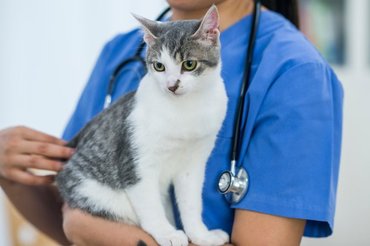
Fleas and ticks carry diseases—some of which can infect humans—and bites can trigger allergic reactions. Ensure your cat receives preventive treatment throughout the year.
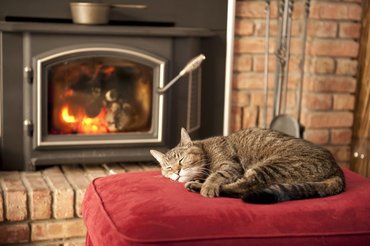
Cats may seem independent, but they need companionship. Being alone for too long can lead to loneliness, anxiety, and depression. Spending quality time with your cat gives them the attention, love, and mental stimulation they need. If you're often away, consider adopting a second cat—but consult a professional before making the decision. And always ensure fresh food, water, and a clean litter box are available.

A healthy diet is vital for your cat’s overall health and well-being. A poor diet can lead to nutrient deficiencies, obesity, and dental issues. Measure meals based on age, weight, and activity level, and offer treats only in moderation.
There are many reasons a cat may urinate outside the litter box: medical issues, anxiety, stress, or changes in the home environment. Never punish them—stay calm. Cats are sensitive about litter box hygiene, so it must always be clean and accessible. In multi-cat households, you’ll need multiple litter boxes: ideally one per cat, plus one extra.
If litter box problems persist, consult your veterinarian.

Just like humans, cats can develop health problems from passive smoking, including respiratory issues, allergies, and even cancer. Never smoke near them—not even with e-cigarettes.
Follow us!
facebook instagram
Related articles

7 Reasons Why Cats Arch Their Backs
Life • 4 minutes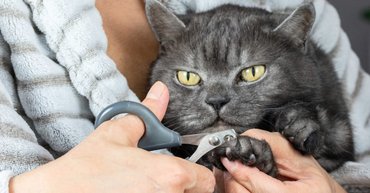
How to cut your cat's claws safely
Care • 3 minutes