This Is Why Cats Lick the Spot Where You Touched Them: Easily Misunderstood
Published: 2025. 10. 05. 07:30 -
- Photos: Getty Images Hungary • 2 minutes readingPublished: 2025. 10. 05. 07:30 -
- Photos: Getty Images Hungary • 2 minutes reading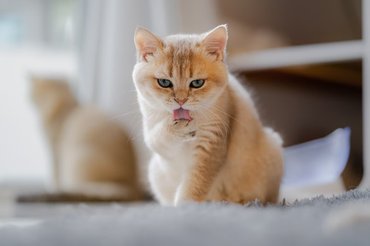
 Set WeloveCatz to appear first in Google search results!
Has it ever happened that you petted your cat, only for it to suddenly start grooming itself vigorously right where you touched it? Before you take the reaction personally, let’s clear up why cats lick away the trace of your hand!

If you’re one of the lucky cat parents who haven’t experienced this questionable gesture yet, you can see what we mean in the video below. The only difference is that here, the owners deliberately touch the exact spot where the cat was just grooming itself.
As is well known, cats are extremely clean animals — but for them, this isn’t a matter of vanity. In the wild, they are both predators and prey, so their survival depends heavily on staying unnoticed. Otherwise, they could easily miss out on dinner, or worse, become someone else’s meal.
To remain truly undetectable, they must take great care of their scent. That’s why they bury their waste so diligently and clean themselves so obsessively. If you sniff your cat, you’ll notice how neutral, even pleasantly fresh, its fur smells.
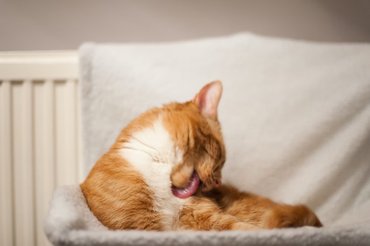
With this in mind, it’s not hard to understand why they sometimes dislike it when their fur gets touched. Most often, right after a grooming session, they’ll respond to being petted with a thorough re-cleaning. It may be that they sense something on your hand that you don’t notice, but their sensitive nose does.
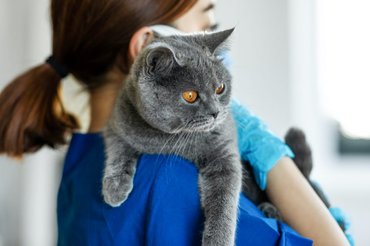
It’s also worth mentioning that neglecting grooming can be a sign of health problems, so it definitely requires attention. If you notice your cat no longer licks and cares for itself as usual, its coat looks unkempt, dull, or matted, and it even develops a stronger odor, you should talk to a veterinarian. This could point to illness, but also to mental issues such as depression or stress. Sometimes mobility problems or pain prevent a cat from properly cleaning itself. This is relatively common in elderly and/or chronically ill cats.
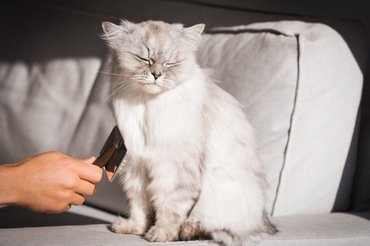
Once the cause is identified, you can support your pet in staying clean — in addition to treatment — by brushing regularly, using damp wipes if necessary, and cleaning its ears and eyes. Maintenance may also be needed after meals or litter box use. Wearing a post-surgery collar also prevents cats from self-grooming, which means your help is required then as well.
Follow us!
facebook instagram
Related articles
7 Reasons Why Cats Arch Their Backs
Life • 4 minutes
How to cut your cat's claws safely
Care • 3 minutes