Nala, the Free-Roaming Cat Who “Works” at the Train Station
Published: 2025. 12. 07. 07:30 -
- Photos: Getty Images Hungary • 3 minutes readingPublished: 2025. 12. 07. 07:30 -
- Photos: Getty Images Hungary • 3 minutes reading
 Set WeloveCatz to appear first in Google search results!
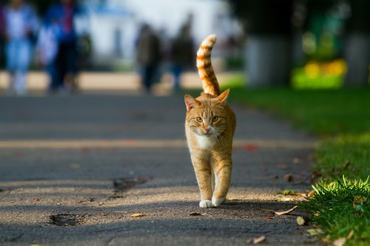
Free-roaming cats are known for collecting multiple “owners” around their neighbourhood. But Nala, who lives in the town of Stevenage in England, has taken socializing to a whole new level: the entire commuter crowd at the local railway station has fallen in love with her.

Nala, the free-roaming ginger cat, has chosen a busy train station as her second home, bringing joy to commuters. She usually lounges on top of the ticket scanner and happily accepts greetings and pets from locals. Her owner even created a Facebook page for her, where followers can keep up with Nala’s adventures. According to the owner, the cat loves attention and heads to the station every morning and evening because she knows she’ll meet plenty of people there.
@club.pegguin @The Adventures Of Nala best end to a night was saying hello to nala #stationcat #foryou ♬ original sound - ky
Although Nala lives in a loving home, she is constantly wandering around. To keep an eye on her even from afar, her owners put a tracking collar on her, so they always know where she is. Besides the station, she enjoys walking in the nearby park—once she even spent an entire evening inside a cinema and had to be collected from there. Her owners say they’re not at all worried about Nala’s outings—only that one day she might actually board a train.
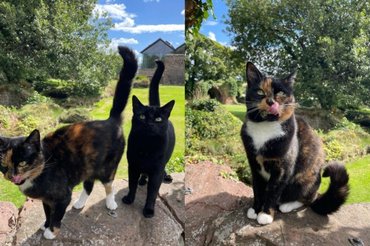
Free-roaming house cats naturally love exploring their environment. Their desire for adventure stems from hunting instincts, territorial behaviour, and sheer curiosity. Many cats enjoy exploring the yard or garden, collecting new smells and experiences; the braver ones wander through the whole neighbourhood and may even visit neighbours for some extra petting.
But roaming outdoors comes with risks. In busy areas, they may be hit by vehicles, get into fights with other animals, or contract serious diseases even from peaceful encounters.
As the owner of an outdoor cat, it’s essential to minimize these risks as much as possible. One of the most effective ways to keep your cat safe is through regular veterinary checkups and vaccinations. Although these only prevent certain illnesses, they still significantly help preserve your pet’s health. Neutering is also crucial: it can reduce a cat’s urge to roam and prevents the formation of stray colonies.
Just like with Nala, it’s worth using a tracking collar so you can always see where your cat is and help them quickly if needed. The collar should include your name and contact information, so you can be notified immediately in case of trouble. Microchipping is also indispensable for free-roaming cats. The microchip is a tiny, rice-sized cylinder implanted under the skin behind the cat’s left ear. The vet registers the chip number in the database along with the cat’s name, breed, and the owner’s details. The database includes your address and phone number, so even if your cat loses its collar or tag, it can still be returned to you.
However, this only works if the information is kept up to date—so after moving or changing phone numbers, you must notify your vet to update the database.
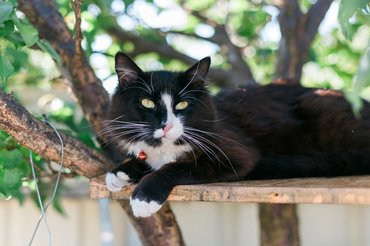
Most animal welfare organisations and experts recommend keeping cats indoors exclusively. Being outdoors exposes them to unpredictable dangers, while indoor life allows owners to better meet their cats’ needs. It’s important for cat owners to recognise these needs and provide enough entertainment and stimulation at home, thereby reducing the cat’s desire to roam.
Follow us!
facebook instagram
Related articles
7 Reasons Why Cats Arch Their Backs
Life • 4 minutes
How to cut your cat's claws safely
Care • 3 minutes