10 Things Cats Really Hate
Published: 2026. 05. 09. 07:30 -
- Photos: Getty Images Hungary • 4 minutes readingPublished: 2026. 05. 09. 07:30 -
- Photos: Getty Images Hungary • 4 minutes reading
 Set WeloveCatz to appear first in Google search results!
Although most owners want to take good care of their cats and rarely do anything intentionally that would cause them stress, the reality is that people often unknowingly do things that create tension for their feline companions. Let’s take a look at what these are.

Here are the ten most common things that can cause stress for cats, along with some advice on how to reduce or avoid them.
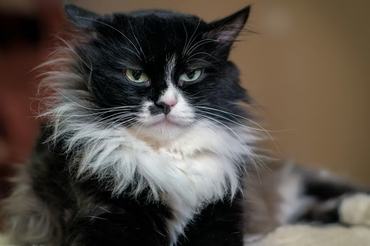
Veterinarian Dr. Sarah Wooten, an internationally recognized speaker, mentions sudden loud sounds as the number one source of stress in an article published in catz.com. Cats don’t jump at the sound of a slamming door or a vacuum cleaner by accident: in nature, sudden loud noises often signal danger, immediately triggering their “fight or flight” response. Constant noise exposure can easily lead to stress — your cat may become more irritable, more easily startled, eat less, or even over-groom.
If there’s one thing cats refuse to compromise on, it’s cleanliness. The condition of the litter box is crucial: if it’s not clean enough, your cat will simply look for another place that meets their standards. This isn’t spite — it’s a clear message. Regular cleaning and maintaining the proper litter depth aren’t extra gestures of kindness; they’re basic expectations in a cat’s eyes.
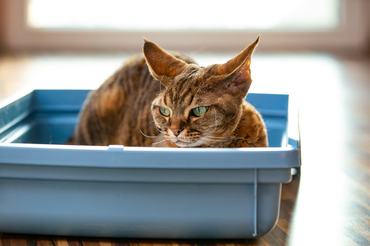
While owners may love practical solutions, cats aren’t necessarily fans of covered, scented, or high-tech litter boxes. For them, a simple, open box placed in a quiet location is usually best. If you’re unsure, it’s worth offering options: a classic litter box often beats even the fanciest designer version. And yes, unscented litter is usually the bigger hit.
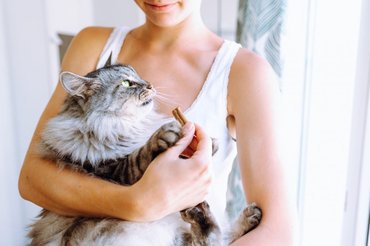
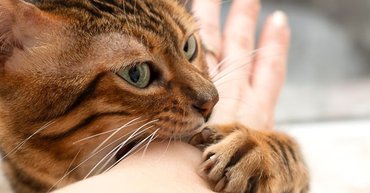
As tempting as a soft cat belly may be, most cats will at best turn away if you try to pet them there — though some may react more decisively. The belly and sides are sensitive areas they instinctively protect. If your cat responds with tail flicking, tense body language, or hissing, it’s best to stop immediately. The head, under the chin, and the neck are usually much safer bets and far more welcome.
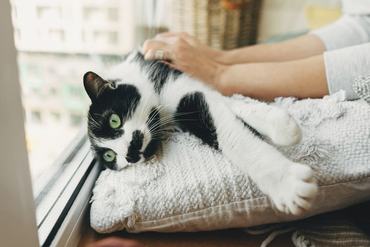
Yes, water-loving cats do exist — but they’re the exception. For most cats, bathing is a stressful experience, and the feeling of wet fur is particularly unpleasant. Unless absolutely necessary, it’s best not to force it. Cats are generally excellent at keeping themselves clean.
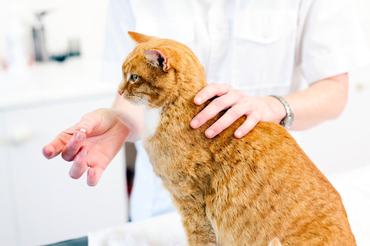
Few things damage the owner-cat relationship faster than forcefully administering medication. Your cat doesn’t understand that you’re trying to help; all they perceive is that something unpleasant is happening. Fortunately, there are now many cat-friendly solutions available: flavored medications, pills hidden in treats, or even transdermal creams absorbed through the skin. A little creativity here can save a lot of stress for both of you.
To cats, the space they consider their own is sacred. The appearance of an unfamiliar cat — even if they only see it through the window — can cause serious stress. This may show up as loud meowing, irritability, or even behavioral problems. The good news is that it can be managed: pheromone products and securing your yard can significantly reduce this type of stress.
In most cats’ minds, the carrier is synonymous with the vet — so it’s no wonder they dislike it. But with patience and gradual training, this can change. If the carrier becomes a natural part of the home, where your cat can freely come and go and occasionally find treats, it will feel much less intimidating. The goal is for the carrier not to be associated only with negative experiences.
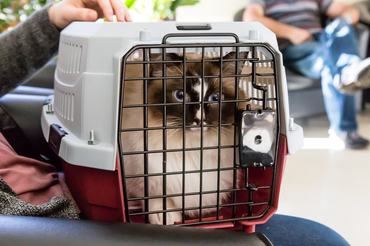
For many cats, car rides are a nightmare. Partly because they usually lead somewhere unpleasant — like the vet — and partly because many cats get motion sickness. Restlessness and meowing are often the first signs, sometimes followed by vomiting. A securely placed carrier and vet-recommended solutions can help make travel less traumatic.
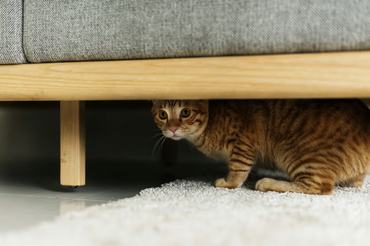
Cats love predictability. The same food, the same routine, the same environment — this is what makes them feel secure. A move, home renovation, or even switching litter types can throw them off balance. Signs of stress can vary widely: hiding, changes in appetite, aggression, or “accidents” around the house. If changes are necessary, it’s best to introduce them slowly and gradually.
Follow us!
facebook instagram
Related articles
7 Reasons Why Cats Arch Their Backs
Life • 4 minutes
How to cut your cat's claws safely
Care • 3 minutes