Several cat breeds have been added to the banned list in the Netherlands
Published: 2026. 02. 28. 07:30 -
- Photos: Getty Images Hungary • 4 minutes readingPublished: 2026. 02. 28. 07:30 -
- Photos: Getty Images Hungary • 4 minutes reading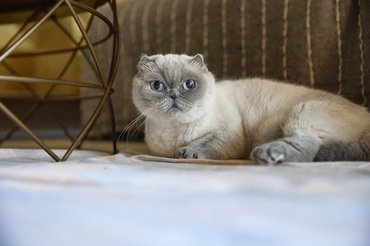
 Set WeloveCatz to appear first in Google search results!
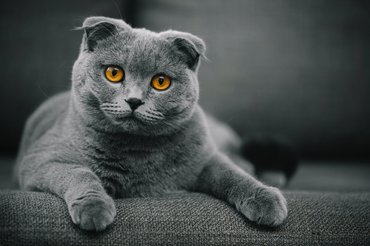
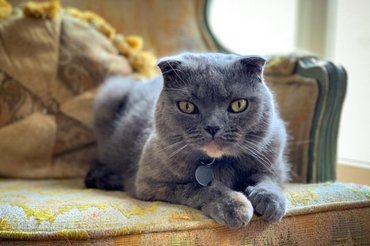
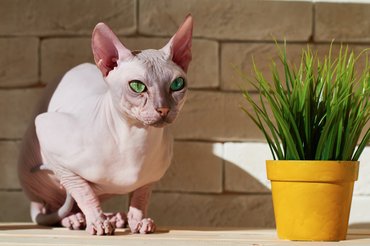
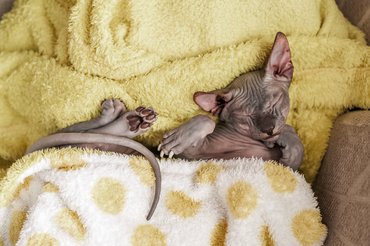
The Netherlands has taken another firm step to protect animal welfare: from 2026, it will ban the breeding and keeping of hairless and fold-eared cat breeds. The decision has sparked heated debate, but according to the government, it clearly serves the interests of the animals.

In recent years, increasing attention has been paid to dog and cat breeds whose “special” appearance may in fact be associated with serious suffering. After short-snouted dog breeds, hairless and fold-eared cats have now become the focus of regulation. According to Dutch authorities, the deliberate breeding of these breeds is incompatible with animal welfare. The professional consensus is becoming increasingly firm: aesthetic priorities cannot override health.
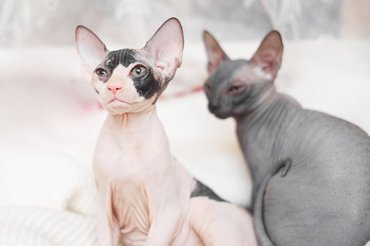
Following the widely debated 2023 regulations, which tightened the breeding of short-snouted, so-called brachycephalic dog breeds such as the pug and the French bulldog, the Netherlands continues to lead the way in curbing breeds selected for appearance despite health risks. Although preparations for the decision had been underway for months, as of January 1, 2026, the breeding, sale, and keeping of hairless and fold-eared breeds will be prohibited.
In a statement published on the government’s official website, Jean Rummenie, State Secretary of the Ministry of Agriculture, Fisheries, Food Security and Nature, stated clearly:
Animal welfare is my top priority. We have been working for some time to ban the keeping of fold-eared and hairless cats. I am pleased that this has finally been achieved, because it is unacceptable for animals to suffer unnecessarily solely due to their physical characteristics.
With the introduction of the regulation, a transitional period has also come into effect: cats covered by the regulation and born before January 1, 2026, may continue to be kept, but they must be microchipped. However, it is not yet clear what will happen to kittens born from matings that took place before the ban. Violations of the law will result in fines, but there is no information indicating that affected animals would be confiscated, nor is there any question of euthanizing illegally kept cats: the aim is animal welfare, not destruction. The Ministry of Agriculture, Fisheries, Food Security and Nature had already announced the decision last October, giving breeders and prospective owners just over two months to prepare for the new requirements.
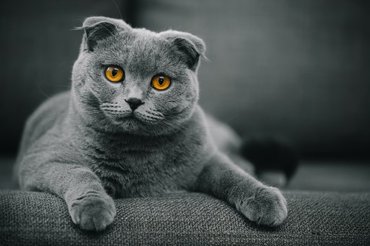
Based on extensive research and professional consultations, authorities concluded that the deliberate selective breeding of breeds with these traits poses a risk to animal health.
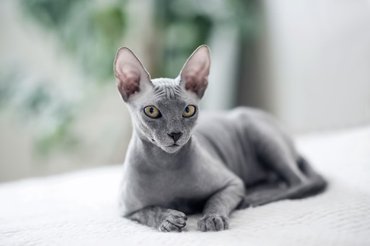
Since 2021, the Netherlands has been working to eliminate the practice of breeding animals that suffer due to traits deliberately created through selective breeding. Although this may seem too radical an idea in many countries, in the Netherlands it has become concrete and forward-looking policy. One of the greatest obstacles to similar bans is misinformation and market demand: where there is demand for a problematic breed, supply will persist. However, the Dutch government did not wait for demand to decline on its own, but instead eliminated what it considers an unethical option, declaring that freedom of choice cannot come at the expense of animal welfare.
Many people are unaware that a distinctive appearance is often associated with serious congenital health problems. Therefore, when such a breed is described as “healthy,” it can only mean a relative condition. A flat face, cartilage mutation, or other genetic abnormalities carry risks from birth, yet these traits have become desirable despite causing respiratory, musculoskeletal, and other disorders. Although these velvet-paw companions can be given happy lives (even if their health is not perfect), deliberately breeding them for such mutations is unethical. The real solution would be responsible decisions that make prohibitive legislation unnecessary in the first place.
Follow us!
facebook instagram
Related articles
7 Reasons Why Cats Arch Their Backs
Life • 4 minutes
How to cut your cat's claws safely
Care • 3 minutes