Dandruff in Cats Can Be a Warning Sign of Serious Illnesses
Published: 2024. 09. 24. 02:00 -
• 2 minutes readingPublished: 2024. 09. 24. 02:00 -
• 2 minutes reading
 Set WeloveCatz to appear first in Google search results!
Just like humans, cats can develop dandruff, and it can be caused by various factors.

In cats, dandruff isn't always the same as dry skin. It's important to understand why it occurs and what can be done about it, as it may be a sign of more serious health issues.
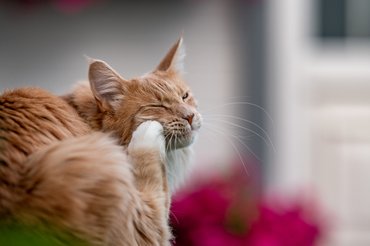
The white flakes that appear on a cat's fur usually occur when the sebaceous glands responsible for oil production in the skin start producing excess oil. Normally, these oils protect and nourish the skin, but in large amounts, they can cause irritation.
Dandruff is easily noticeable when petting your cat; like human hair, the dried flakes fall off.
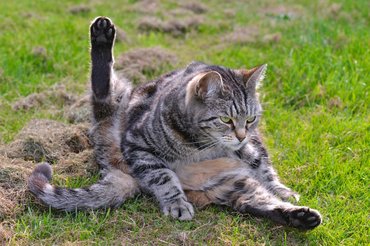
There are various causes of dandruff in cats, ranging from minor to more serious. The best thing to do is take your pet to the vet, who can diagnose the issue and recommend the necessary treatment.
Simple Causes
Serious Causes
Severe Health Issues
Since dandruff can be caused by various illnesses, it can present with different symptoms. Common ones include:
Dandruff itself isn't overly dangerous, but it's worth seeing a vet if you notice it, as it can indicate more serious health problems.
To prevent dandruff, it's important to:
Follow us!
facebook instagram
Related articles
7 Reasons Why Cats Arch Their Backs
Life • 4 minutes
How to cut your cat's claws safely
Care • 3 minutes