Cats sleep in incredibly absurd positions: have you ever seen anything like this? (video)
Published: 2026. 03. 29. 07:30 -
- Photos: Getty Images Hungary • 2 minutes readingPublished: 2026. 03. 29. 07:30 -
- Photos: Getty Images Hungary • 2 minutes reading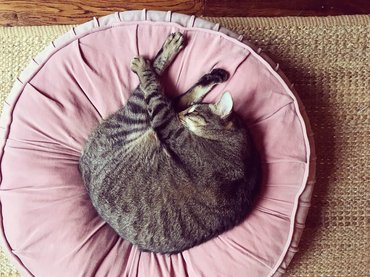
 Set WeloveCatz to appear first in Google search results!
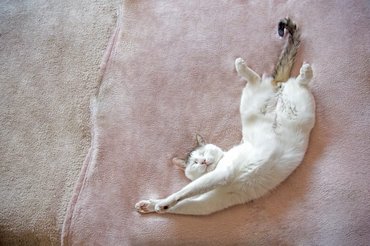
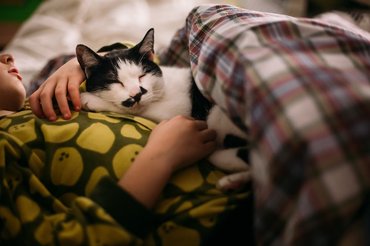
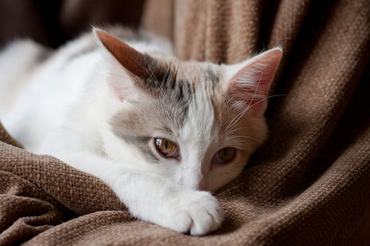
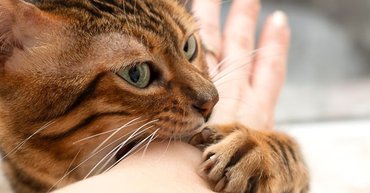
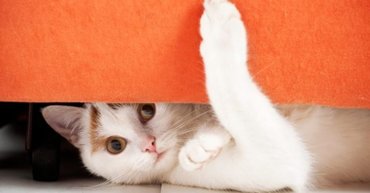
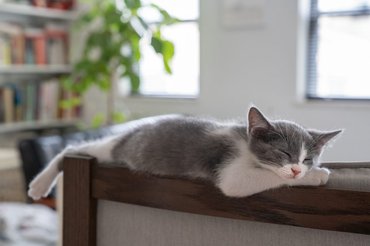
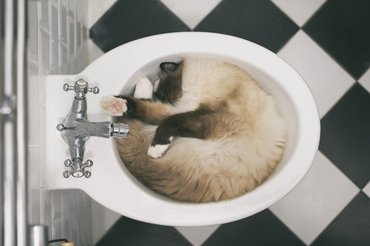
Half hanging off the couch, twisted like a pretzel, inside a shoe, or sprawled across a radiator — cats are capable of dozing off in the most unbelievable places and positions.

People often watch them in confusion: how on earth can our cats fall asleep in such contorted poses? Let’s take a look at why our furry companions sleep in these twisted positions.

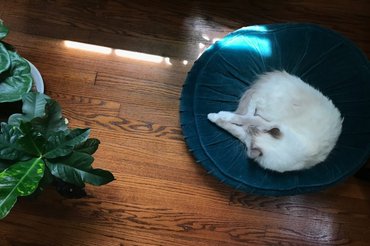
One of the most important factors for cats when choosing a sleeping position is regulating their body temperature. When it’s cooler, they often curl up tightly, covering their nose and paws with their tail to reduce heat loss. In warmer conditions, however, they stretch out or press their belly against a cool surface to release excess heat. That’s why we sometimes see them sprawled out on tiles or even stretched across a radiator — the position simply helps maintain their body temperature balance.
Cats have incredibly flexible spines and joints, allowing them to rest comfortably in positions that would seem painful to humans. This is why they can assume such extreme-looking poses that are perfectly comfortable for them. Odd sleeping spots are often practical too: a narrow shelf or a high-sided basket can provide a sense of security.
One of the most telling positions is when a cat sleeps on its back with its belly fully exposed. The belly is one of their most vulnerable areas, so they only adopt this position when they feel completely safe. In other words, if your cat sleeps like this, it likely means it fully trusts its environment — and you as well.
As an experienced cat owner, you may have noticed that cats often sleep on their left side. According to a 2025 behavioral study, this may help them react more quickly upon waking: information from the left visual field is processed in the right hemisphere of the brain, which is particularly effective at detecting threats and coordinating escape responses.
Follow us!
facebook instagram
Related articles
7 Reasons Why Cats Arch Their Backs
Life • 4 minutes
How to cut your cat's claws safely
Care • 3 minutes