How the shorter days affect your cat
Published: 2025. 09. 27. 07:30 -
- Photos: Getty Images Hungary • 4 minutes readingPublished: 2025. 09. 27. 07:30 -
- Photos: Getty Images Hungary • 4 minutes reading
 Set WeloveCatz to appear first in Google search results!
Although it’s only late September, the decreasing daylight hours and cooler temperatures are already affecting us and our pets. Moreover, as we move forward in time, the influence of these changes will only intensify.

In the following, we’ll discuss how the changing weather affects a cat’s body and mental state, and we’ll also cover how you can help your cat get through these months.
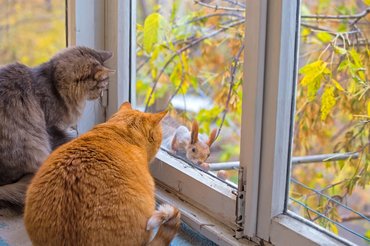
Shorter daylight hours and cooler weather can trigger both physical and mental symptoms. Your pet’s activity level may decrease, and they may seem more passive or even melancholic. What is known as Seasonal Affective Disorder (SAD) is sometimes called “winter depression” or “seasonal depression,” and it’s a condition associated with seasonal changes. Symptoms typically begin in autumn and last throughout the winter months. In most cases, these mood changes disappear in spring and summer. Although the exact cause of the condition is not known, it is assumed to be related to the lack of sunlight, which can disrupt the sleep cycle and cause fluctuations in melatonin levels.
Melatonin is a hormone that the brain naturally produces. It regulates mood, sleep-wake cycles, and even plays a role in reproduction. The body produces more melatonin in darkness, while light inhibits its production. Because there is less sunlight during the winter months, more melatonin is produced, which is why both humans and pets may feel sleepier and want to sleep more.
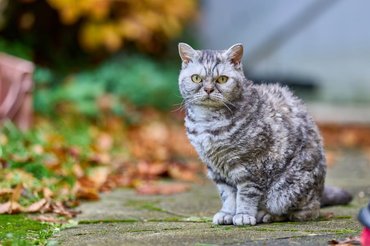
While seasonal depression can affect your cat’s mood, pain or illness can also cause behavioral changes. If you notice a shift in your pet’s behavior, the safest option is to call your veterinarian and describe the symptoms. They can determine whether tests or further examinations are necessary.
In humans, Seasonal Affective Disorder can often be treated with vitamin D and omega-3 supplements — but never give your pet vitamin D unless it has been specifically prescribed by a vet for a particular condition, as improper dosage can have fatal consequences. Whatever you plan to do, consult your veterinarian first.
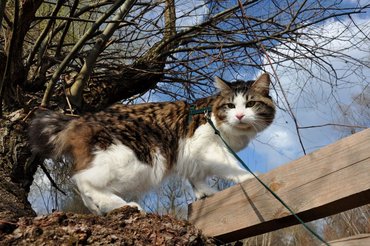
Pets — just like humans — have a natural rhythm that follows daylight cycles. As winter approaches, try to adjust your schedule so your cat can spend as much time as possible basking in the sun. Place their bed or scratching post where sunlight can reach it, or make the windowsill cozier with a few cushions. If your cat goes for leash walks or spends supervised time outdoors, schedule these during daylight hours.
On cold, rainy, or dark days, it may be tempting to skip playtime and just cuddle up — but daily exercise is essential for your pet’s mental and physical health. Indoor play and enrichment activities are excellent ways to burn off energy and stimulate their mind.
Light therapy can be helpful for both humans and pets during darker months. A light source that mimics natural daylight can help reduce lethargy and balance energy levels.
Choose a light therapy lamp that is specifically safe for pets to avoid eye or skin problems. Place it near your pet’s favorite resting spot, but keep a safe distance and limit sessions to about 10–15 minutes at a time. If you’re interested in this option, consult your vet first to make sure it’s suitable for your pet.
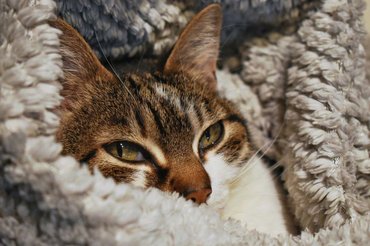
Colder weather naturally increases the need for warmth and comfort. Pets — especially cats and small dogs — often seek extra warmth when temperatures drop.
In colder months, many pets (and people) experience changes in appetite. Some eat more due to reduced activity, while others need extra energy to stay warm. Monitor your cat’s eating habits and weight, and adjust their diet only if necessary. If you notice a significant change in appetite, talk to your vet to ensure they’re getting proper nutrition.
6.) Offer mental stimulation
Mental challenges are especially important, as they reduce boredom, help release excess energy, and keep the mind sharp. Any kind of interactive game your cat enjoys can work.
Follow us!
facebook instagram
Related articles
7 Reasons Why Cats Arch Their Backs
Life • 4 minutes
How to cut your cat's claws safely
Care • 3 minutes