5 Things You Can Do to Make Your Cat Happier in Winter
Published: 2026. 01. 24. 07:30 -
- Photos: Getty Images Hungary • 3 minutes readingPublished: 2026. 01. 24. 07:30 -
- Photos: Getty Images Hungary • 3 minutes reading
 Set WeloveCatz to appear first in Google search results!
Harsh weather, reduced daylight, cold, snow, frost, and the resulting restricted living space affect animals too. Let’s take a closer look at what you can do to support your cat’s happiness.

Because if a cat is happy, one of the prerequisites is good health, which as an owner is one of the most important things when it comes to our pets. So let’s see what you should pay attention to in winter and what extra steps you can take for your feline companion.
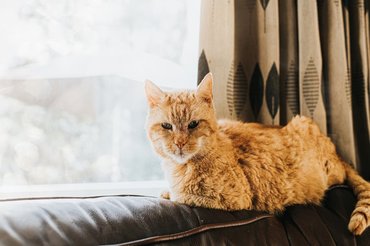
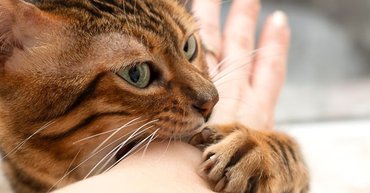
Just like children, cats need dedicated time. It’s not enough to buy a few toys for your pet; it’s important to interact with them as well. Experts recommend at least 4 × 10 minutes a day, but this can safely be increased depending on your cat’s expectations and your own capacity. In addition to various games that imitate hunting, cats are also greatly entertained if you create different hiding places for them. A simple cardboard box is a favorite, but an emptied shelf or a new, den-style scratching post can also be a great solution. As has been proven, long-term boredom can lead to destructive behavior and mental problems, which can also worsen the animal’s overall health.
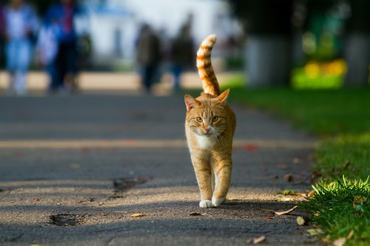
Outdoor cats also require extra attention; make sure to spend time caring for them as well. It’s recommended to check on them more often than usual, during which you can also inspect their conditions: whether their water has frozen, whether they have food, whether they’re warm enough, if their shelter has gotten wet, and so on. A little extra petting and brushing will be appreciated too.
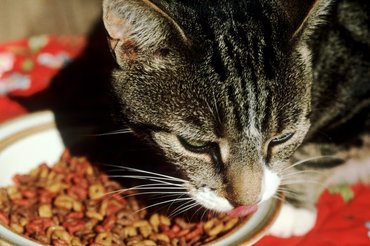
The energy needs of outdoor and indoor-outdoor cats increase during the cold months by about 10%. This can be covered by increasing the amount of food you give them. For strictly indoor cats, this rule usually doesn’t apply, but if you notice that your cat seems hungry more often, it’s worth consulting your veterinarian. They will likely recommend a routine check-up and then discuss any necessary dietary changes. As mentioned earlier, the food and water bowls of outdoor cats should be checked frequently to make sure they haven’t frozen. In their case, it’s also advisable to offer both food and water lukewarm.
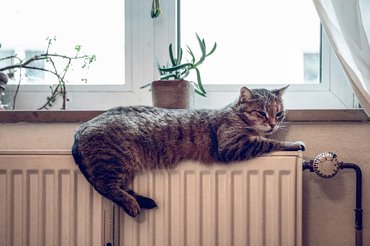
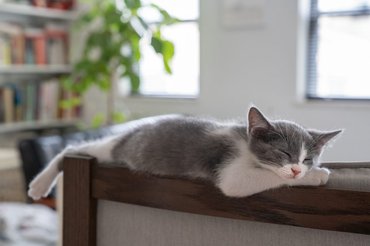
Cats’ body temperature is higher than ours—on average around 38–39°C—so they have a greater need for a warm environment. You can ensure maximum comfort for your pet during the winter months with soft beds, padded cat trees, and folded blankets placed on the sofa.
In cold weather, various health complaints can flare up, including joint problems, causing greater pain for the animal. If you’re aware of a chronic condition your cat has, you can prepare in advance. But if you suspect that something might be hurting your cat, don’t delay—take them to the vet. Properly treated health issues ensure a longer life and more carefree, happier everyday living. Your cat may also need immune support, which you should definitely discuss with the veterinarian, as they, knowing your cat’s medical history, can recommend the most suitable supplement.
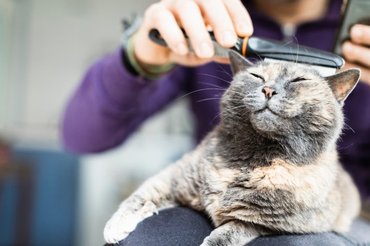
Cold weather, heating, and the resulting drier air affect your cat’s fur and skin. More frequent brushing may be justified to prevent matting. If the coat becomes very dull or unkempt, internal and/or external support can help. There are many vitamin supplements and cosmetic products developed specifically for cats, so it’s advisable to ask a professional—your veterinarian, or in the latter case a groomer—what they recommend. The eyes and ears may also require extra attention.
Follow us!
facebook instagram
Related articles
7 Reasons Why Cats Arch Their Backs
Life • 4 minutes
How to cut your cat's claws safely
Care • 3 minutes