Extraordinary cats inhabit Istanbul’s Topkapı Palace: they have guarded priceless treasures for centuries
Published: 2026. 04. 11. 07:30 -
- Photos: Getty Images Hungary • 4 minutes readingPublished: 2026. 04. 11. 07:30 -
- Photos: Getty Images Hungary • 4 minutes reading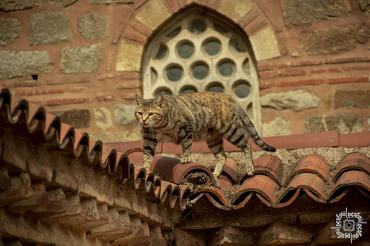
 Set WeloveCatz to appear first in Google search results!
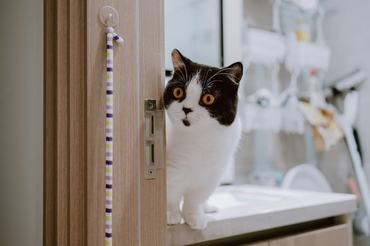
Şerbet, a tuxedo-patterned cat is one of the felines living in Topkapı Palace, has been gaining popularity online thanks to its charming appearance. The Palace, built during the Ottoman era, served as the main residence of the sultans between the 15th and 19th centuries, and cats have been an integral part of the residence's life for centuries. Originally, they were kept to control rodents and protect valuable food supplies and manuscripts; as part of this long-standing tradition, they are still cared for by the staff today.

According to recent reports, Şerbet is a descendant of a long-time palace cat named Mülayim, continuing the lineage of feline residents whose members roam freely through the courtyards and even use the cat doors built in the Ottoman period and recently restored. These animals have become a characteristic element of Istanbul’s cultural identity, reflecting a broader local tradition in which cats living on the streets and at historical sites are protected and embraced as a natural part of everyday life. In addition to the cats of Topkapı Palace, the article also offers a closer look at the distinctive cat door and the Ottomans’ deep respect for animals.
Şerbet:
Last autumn, the cat door located in the Karaağalar quarter of the harem of Topkapı Palace in Istanbul was restored based on its original plans. It had been built during the Ottoman era so that the palace cats could move around freely. In essence, it is a historical passage that bridges past and present, showing how the Ottomans lived and cared for their animals.
The imperial harem originally served as the residence of the karaağas, officials responsible for the safety of the sultan and his family, and until last year it had been closed to the public. However, after a ten-year restoration, it has finally opened to visitors. İlhan Kocaman, head of department at Topkapı Palace, emphasized that pets were an integral part of palace life, moving freely and even living within the harem.
Among the palace’s pets, cats stood out more prominently. As a sign of compassion and mercy, these animals were brought into the palace and allowed to stay close to humans. People kept them nearby. To allow easy access, a special door for cats was placed under the main door. The Darüssaade Ağa held the highest rank among the Karaağalar. The rooms connected to this door were used by officials of lower rank before the Darüssaade Ağa. Since they brought pets with them, the cats personally used these rooms.
Kocaman noted that historical records and miniatures also prove that pets were part of Ottoman social life: “In the second courtyard, there are gazelle water troughs. We know that besides domestic animals, other animals were also kept here. Ancestors prepared the infrastructure for them and these areas are now open for visitors.”
The cat door in use:
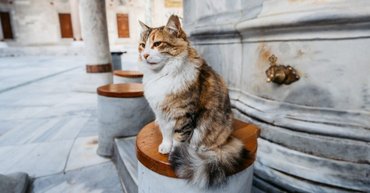
Cats have lived in Topkapı Palace since its construction, which can be explained not only by the Turks’ deep love for animals but also by the special role cats held in Ottoman and Islamic culture. One of the most important roles of the palace cats in the past was to protect priceless manuscripts and books from rodents. The Enderun Library was a true treasure trove, filled with rare works, imperial decrees, and valuable maps. These four-legged guardians roamed freely through archives and libraries, keeping rodent populations under control. Thanks to them, many invaluable historical documents and manuscripts have largely survived to this day.
Kumru:
Beyond their practical services, numerous historical records and palace accounts highlight that many Ottoman sultans showed special interest in and affection for cats. Their independent and graceful nature appealed to the sultans and members of the dynasty within the rigid hierarchy of palace life. Sultan Abdülhamid’s love of cats is well known; he is said to have personally cared for many of them. It is therefore fair to say that the cats living in the palace were not merely pest controllers, but also companions and friends.
Following the dissolution of the Ottoman Empire and the conversion of Topkapı Palace into a museum, the feline population has continued to be protected and cared for as a form of living heritage. Today, the palace administration, staff, and animal lovers work together to ensure the well-being of these four-legged residents through regular feeding, water supply, and veterinary care.
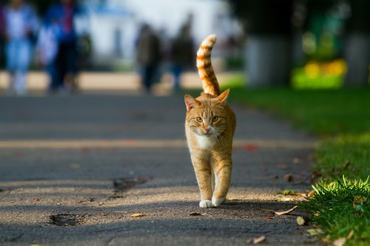
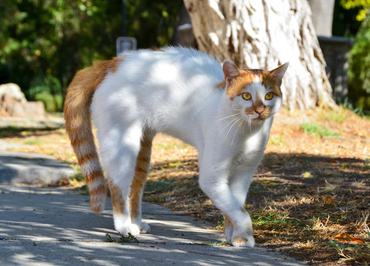
Visitors to the palace can encounter cats almost anywhere within the buildings. Although they have no official names, some have become particularly popular among museum staff and frequent visitors. These include Pasha, the red cat; the wise old tabby known as Müverrih, meaning “The Historian”; and the black-and-white Şerbet, whose grandmother was also affectionately named—Mülayim.
Follow us!
facebook instagram
Related articles
7 Reasons Why Cats Arch Their Backs
Life • 4 minutes
How to cut your cat's claws safely
Care • 3 minutes