What Does Your Cat Do When You’re Not Home?
Published: 2026. 03. 14. 07:30 -
- Photos: Getty Images Hungary • 4 minutes readingPublished: 2026. 03. 14. 07:30 -
- Photos: Getty Images Hungary • 4 minutes reading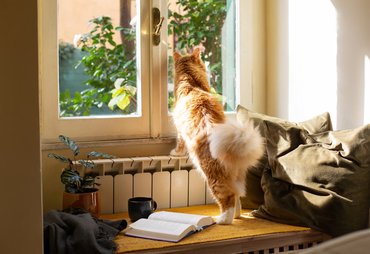
 Set WeloveCatz to appear first in Google search results!
You’ve probably wondered many times what your beloved pet is up to while you’re away, and chances are you often find yourself imagining how they spend those lonely hours.

In our previous article, we wrote about what outdoor and indoor–outdoor cats get up to when they’re not at home. In this one, you can read about what indoor cats usually do when they’re left alone.

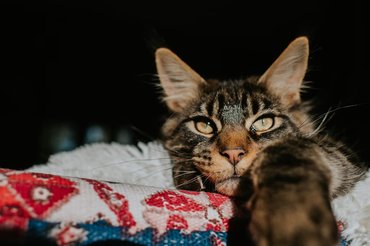
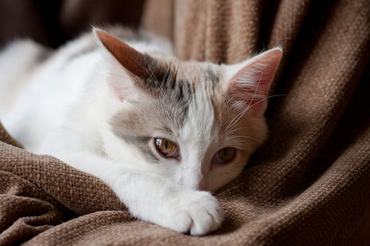
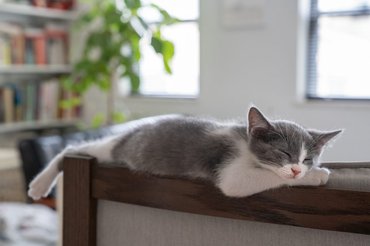
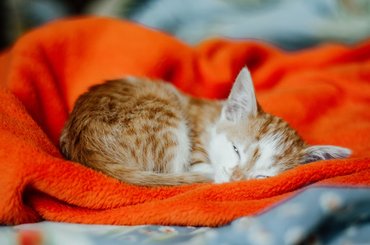
An average cat can spend as much as 16–20 hours a day sleeping or resting. If your pet is generally healthy and doesn’t feel stressed during the hours spent alone, there’s a good chance that most of that time will be devoted to resting.
Their sleep cycle alternates between short periods of deep sleep and lighter, alert rest, which allows them to react quickly to changes in their environment or potential threats. This instinct remains present even in indoor cats. (However, indoor cats usually learn from experience that they are not in serious danger, so they may often sleep more deeply and for longer uninterrupted periods.) Cats are crepuscular animals, meaning they are most active around dawn and dusk. Because of this, their instincts are naturally calibrated to use the daytime hours for relaxing and conserving energy.
Most domestic cats spend about 2–5 hours a day grooming themselves. In their natural environment, this behavior was especially important because it helped remove scents from their fur that might reveal their presence to prey or predators.
If your cat lives together with other cats, dogs, or pets, there is a good chance they will groom each other as well. This behavior plays a very important social role for the species—it strengthens the bond between them.
Although our purring companions love interactive toys that mimic hunting, it’s not uncommon for cats to start playing on their own. And if you have multiple cats or other pets, playtime is almost guaranteed. This can be wonderful because they provide companionship and stimulation for each other. Even so, don’t forget about playing together with your cat—nothing strengthens the bond between cat and owner more than an engaging play session. Try to spend about 3 sessions of 10–15 minutes a day actively playing with your cat. (Of course, this can vary depending on your cat’s age, fitness level, and activity).
It’s also worth mentioning that even the most affectionate feline siblings may occasionally have small disagreements. So you can be fairly certain that your pets manage their own minor conflicts while you’re away.
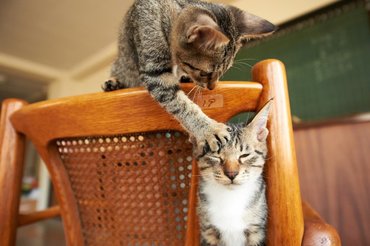
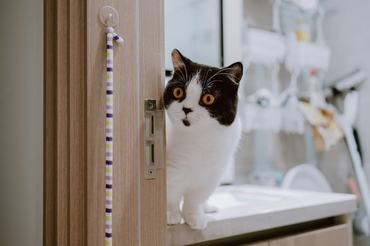
For indoor cats, the house is their territory, which they monitor just as outdoor cats supervise their own area. Your cat’s instinct drives them to patrol the house and check whether everything is in order—it’s not just curiosity. If they have access to a windowsill where they can look out onto the street or the yard, they will almost certainly spend some time there as well.
Several factors influence this. One of the most important is the cat’s age: kittens and young cats tend to be more active and playful, while older cats may spend more time resting. It also matters whether your cat lives alone or shares its home with other animals, since a companion can provide stimulation, play, and social interaction.
The size of your home and the environmental enrichment available—such as climbing surfaces, views from windows, toys, or hiding places—can also significantly influence behavior. In addition, temperament and individual personality play a major role in determining whether a cat is more active or more reserved.
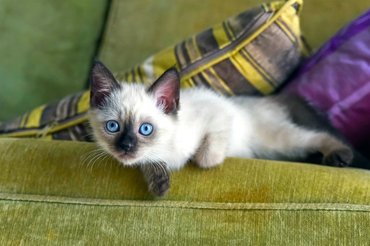
Early socialization is also important. Experiences during kittenhood can shape long-term behavior, including how safe a cat feels and how well it copes with being alone.
If you feel that something about your pet’s behavior isn’t quite right—or if you’d simply like to check in on what they’re doing during the day—we recommend getting one or two pet cameras. Depending on the type, you can easily monitor your cat’s daily routine, and some models even allow you to dispense treats or talk to your pet through the camera’s mobile app.
The answer is clearly yes. However, a lot depends on how you have socialized your pet to spend time alone and on the quality and length of the time you spend together when you are at home. Responsible cat ownership means providing the right living conditions for your pet. This includes ensuring they don’t become bored. Signs of boredom or distress may include destructive behavior, increased vocalization or grooming, hiding, or changes in appetite. We recently published a detailed article on this topic where you can find many tips on how your cat can stay occupied while you’re away from home.
Although cats are often accused of being indifferent and lacking a deep bond with their owners, anyone who lives with cats knows that this simply isn’t true. As an owner, you have taken on the responsibility to care for and protect your pet—and a key part of that responsibility is spending quality time together.
Follow us!
facebook instagram
Related articles

7 Reasons Why Cats Arch Their Backs
Life • 4 minutes
How to cut your cat's claws safely
Care • 3 minutes