Cats Are Like Babies in More Ways Than One — and They Know How to Use It
Published: 2025. 11. 22. 07:30 -
- Photos: Getty Images Hungary • 3 minutes readingPublished: 2025. 11. 22. 07:30 -
- Photos: Getty Images Hungary • 3 minutes reading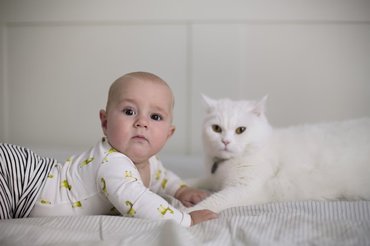
 Set WeloveCatz to appear first in Google search results!
It’s no secret that cats are natural-born manipulators — and the following traits only reinforce that fact.

Our whiskered friends possess a number of baby-like characteristics that not only help them bond with humans but also secure their place in our hearts and homes. One thing’s for sure: they’re well aware of the influence they have over their two-legged “servants.”
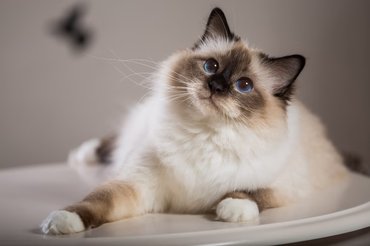
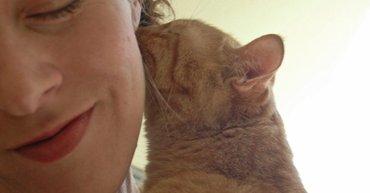
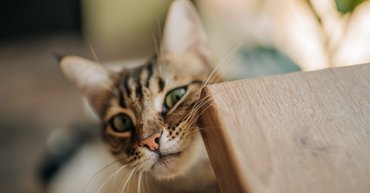
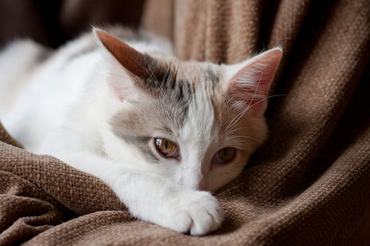
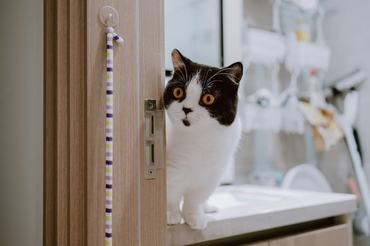
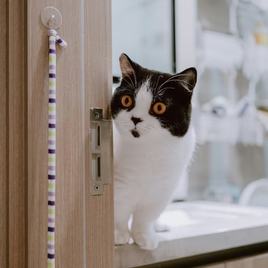
Given the topic, it probably won’t come as a surprise that cats share several traits with human infants. To begin with, many of their physical features are distinctly baby-like — they typically have large heads and eyes, round faces, and small mouths and noses. Humans generally find these features adorable, and they’re proven to trigger nurturing behavior in adults. This phenomenon was first described by ethologist Konrad Lorenz, who coined the term baby schema, which has since become the subject of many studies.
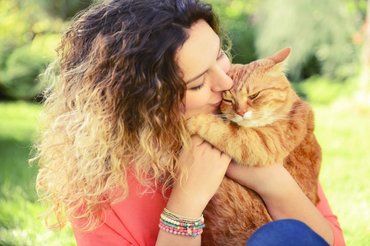
Research also shows that these traits don’t just inspire caretaking — they play a role in attracting attention and evoking protective instincts. What’s more, they elicit positive emotions and reduce aggression toward the creature displaying them. This can be one of the first steps toward forming a strong emotional bond — something most devoted cat owners have experienced firsthand, even if their feline is a bit aloof or strong-willed. In fact, the cat–owner relationship is often compared to that of a parent and child, further proving that cats are true masters of manipulation.
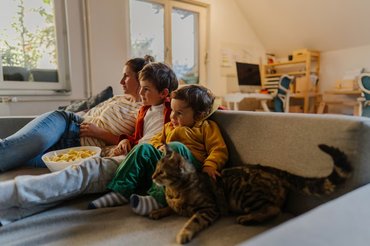
It’s also worth noting that cats seem to adapt their vocalizations to communicate more effectively with humans. Adult cats don’t usually meow at each other — yet, as any cat owner knows, they’re quite talkative with us. And not just in any tone: they use high-pitched, non-threatening (but very attention-grabbing) sounds.
Researchers have even suggested that a cat’s meow may resemble a human infant’s cry — and that humans’ preferences for certain cat sounds may have influenced this similarity, and this mimicry may play a role in how cats get our attention and care,
– explains Dr. Karen Wu in an article for Psychology Today.
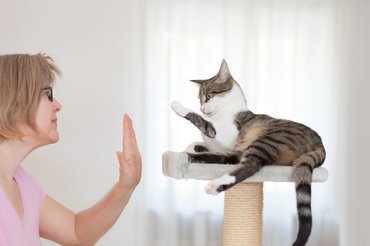
It’s also important to mention that, much like babies, cats respond positively to infant-directed speech — that high-pitched, affectionate “baby talk” humans often use unconsciously when speaking to their pets, instantly capturing their attention.
The primacy effect refers to our tendency to give more weight to the first information we receive than to later experiences. But how does this relate to cats and babies? Cats are generally quite independent, but during the first few months of life, they require constant care and support. Owners who adopt their cats as kittens often take on a parental role, and even when the cat is grown and self-sufficient, they may still see it as that needy little kitten — a perception the cat may very well enjoy maintaining. A similar pattern is often seen in parents who struggle to recognize that their once-dependent baby is growing up and no longer needs as much help. While this dynamic isn’t solely explained by the primacy effect, it certainly contributes to it.
Follow us!
facebook instagram
Related articles
7 Reasons Why Cats Arch Their Backs
Life • 4 minutes
How to cut your cat's claws safely
Care • 3 minutes