6 Human Foods That Can Also Be Healthy for Cats
Published: 2026. 04. 18. 07:30 -
- Photos: Getty Images Hungary • 4 minutes readingPublished: 2026. 04. 18. 07:30 -
- Photos: Getty Images Hungary • 4 minutes reading
 Set WeloveCatz to appear first in Google search results!
As we’ve emphasized many times, the smartest choice when it comes to feeding your cat is to stick to complete, balanced pet foods or a diet formulated by a veterinarian. However, human nature is simple: if something brings us joy, we want to share it with our four-legged family members. If you feel this way, it’s very important to proceed with caution, as many human foods are toxic to cats.

In this article, however, we won’t be focusing on those. Instead, we’ll introduce human foods that are nutritious and may even be beneficial for your cat in certain ways. We’ll explain how to prepare them and what advantages they may offer. Before we begin, take our advice and consult your veterinarian before giving your cat any human food.
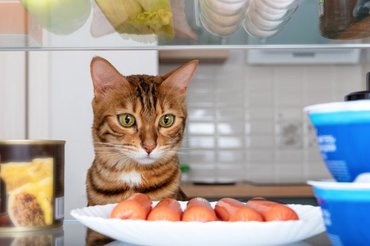
Lean meats—such as chicken, turkey, beef, lamb, and rabbit—are excellent sources of protein for cats, as they are obligate carnivores by nature. These foods support muscle maintenance and are easy to digest when properly prepared. Always serve meat cooked or steamed, without spices, salt, onion, or garlic, and make sure to remove all bones and skin. Some people advocate raw feeding, which does have its advantages, but for safety reasons we recommend heat-treated meats in a home environment.
It’s also worth mentioning organ meats. Liver, heart, and kidney can be given to cats, as they are extremely rich in vitamins and minerals. Heart, in particular, is valuable because it naturally contains taurine—an essential amino acid crucial for vision, heart function, and nervous system health. However, moderation is especially important: excessive liver consumption, for example, can lead to vitamin A toxicity over time. Organ meats should therefore only be given occasionally and in small amounts. The same preparation principles apply as with meat: serve cooked and unseasoned.
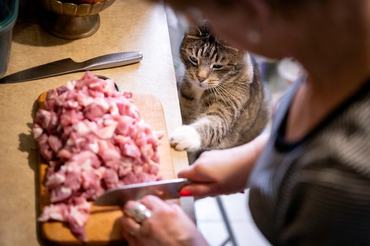
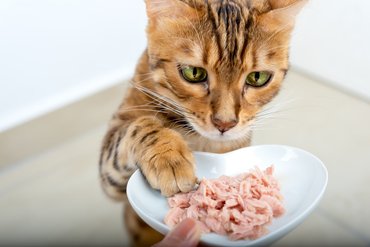
Fish—especially salmon and tuna—contain valuable omega-3 fatty acids that can contribute to healthy skin and coat. However, fish should not form the basis of a cat’s diet; it’s best given occasionally as a supplement. Always serve it thoroughly cooked, boneless, and without salt or seasoning. Local freshwater fish can also be offered, but extra care must be taken to remove all bones and ensure proper cooking.
Bonito flakes are a real treat for many cats. Their strong aroma and flavor can be especially appealing, even to picky eaters. In small amounts, they can be used as an appetite stimulant—for example, if your cat is fussy or recovering from illness. These can be purchased in Asian grocery stores. Think of them more as a seasoning or flavor enhancer, not as a dietary staple.
Treat bonito flakes like a kind of “spice.”
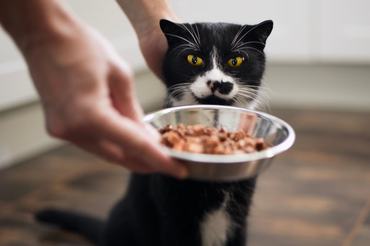
Unsalted, unseasoned meat broth can be particularly beneficial for cats, especially when they need extra fluid intake. It helps with hydration and can stimulate appetite, for example during illness or recovery. It’s crucial that the broth contains no onion, garlic, salt, or spices, as these are harmful or toxic to cats. Cook bones and vegetables as usual—excluding the harmful ingredients—then strain the liquid. Once cooled, skim off the fat from the top. You can add a small amount to your cat’s water, or offer a few spoonfuls on its own. In summer, it can be frozen for a refreshing treat that encourages drinking, or even poured over dry food.
Eggs are an excellent source of protein and nutrients, and when properly prepared, they can benefit cats as well. Always serve them fully cooked or scrambled, as raw eggs may contain bacteria, and a substance called avidin can inhibit the absorption of certain vitamins. In small amounts, eggs can support muscle health and overall well-being. Do not season them or add salt or fat. Think of eggs as an occasional supplement rather than a main food.
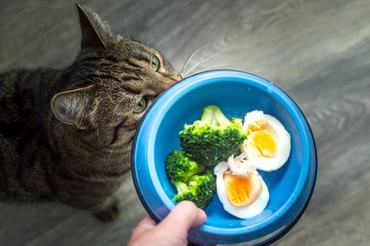
Although cats are carnivores, certain vegetables can be useful additions to their diet in small amounts. Carrots, peas, green beans, zucchini, broccoli, pumpkin, and sweet potato can be included due to their fiber and vitamin content, which may support digestion. Always serve them cooked or steamed until soft, without seasoning. They can also be pureed to make them easier to digest.
(Although zucchini and pumpkin are botanically fruits, we classify them as vegetables here due to their culinary use.)
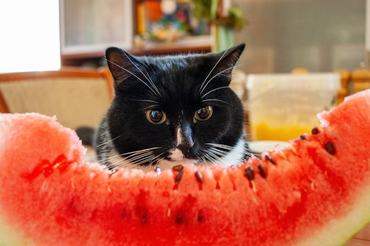
Fruits are not a natural part of a cat’s diet, but some types can be safely given in small amounts. Blueberries, strawberries, apples (without the core), raspberries, watermelon, and bananas may provide beneficial vitamins and antioxidants. However, they should always be offered in small portions, as their high sugar content is not ideal in the long term. Always remove seeds, peels, and any hard-to-digest parts. Think of fruits as special treats rather than regular dietary components.
Follow us!
facebook instagram
Related articles



7 Reasons Why Cats Arch Their Backs
Life • 4 minutes
How to cut your cat's claws safely
Care • 3 minutes