Getting Your Cat Used to Being Touched Can Save Its Life – Here’s How to Do It Right
Published: 2026. 04. 13. 07:30 -
- Photos: Getty Images Hungary • 3 minutes readingPublished: 2026. 04. 13. 07:30 -
- Photos: Getty Images Hungary • 3 minutes reading
 Set WeloveCatz to appear first in Google search results!
Many pet owners only realize how important touch training is when something goes wrong: a painful injury, an urgent veterinary exam, or a stressful situation suddenly requires cooperation from the cat. Yet this kind of trust doesn’t develop spontaneously—it is built through conscious, at-home practice.

Regular touch associated with positive experiences not only makes everyday care easier, but can even be life-saving. A well-socialized cat is much easier to examine and treat, and is less likely to experience critical situations as traumatic.
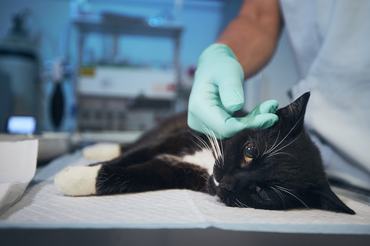
Getting a cat used to touch is not the same as it enjoying being petted. The goal is much more specific: we want the cat to accept being touched on different parts of its body—even in unusual or potentially uncomfortable situations.
This includes, for example:
According to veterinary recommendations, cats that gradually get used to these stimuli from a young age show significantly lower stress levels during examinations.

Cats are fundamentally control-oriented animals: predictability and a sense of autonomy are crucial for them. Sudden, intense physical contact without preparation can be perceived as a threat, triggering defensive reactions. The essence of touch training is the opposite: maintaining the illusion of control.
This means:
With this method, your furry companion doesn’t just endure the situation—it learns to tolerate it, and in some cases even accept it.

The true importance of touch training becomes evident in emergencies. An injured or ill cat is often in pain, which alone increases the likelihood of aggressive reactions. If this is combined with a negative association with physical contact, the situation can quickly become unmanageable.
In contrast, a cat that is used to being handled:
This is not just a matter of convenience—it can directly affect the speed and success of medical intervention.
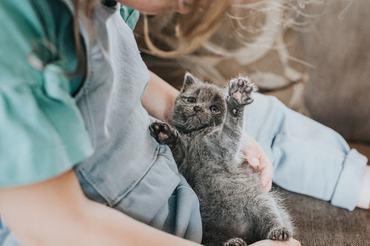
Ideally, touch training should begin in kittenhood, but it can also be successfully applied to adult cats—though it undoubtedly requires more patience.
The most important principles:
It’s important not to approach this with a goal-oriented mindset (“I’m going to trim its nails now”), but as a learning process. The goal is not immediate results, but long-term cooperation.

Touch training is not really a technique—it’s relationship building. The cat learns that its owner is not a threat, even in unusual situations. This trust goes beyond everyday care: it leads to more stable, balanced behavior. A consciously developed touch routine may not be spectacular, and it doesn’t pay off immediately—but when it truly matters, it can literally save a life.
Follow us!
facebook instagram
Related articles




7 Reasons Why Cats Arch Their Backs
Life • 4 minutes
How to cut your cat's claws safely
Care • 3 minutes