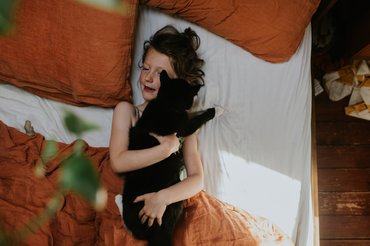
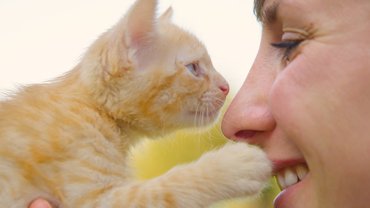
These cats cling to their owners in a way that makes us melt (video)
Published: 2026. 03. 01. 07:30 -
- Photos: Getty Images Hungary • 2 minutes readingPublished: 2026. 03. 01. 07:30 -
- Photos: Getty Images Hungary • 2 minutes reading
 Set WeloveCatz to appear first in Google search results!
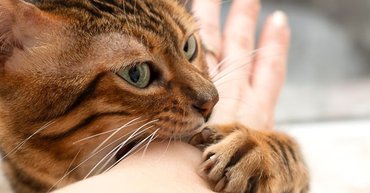
Many people still think of cats as distant, independent creatures who only seek human company when it suits them. The reality, however, is far more nuanced—and heartwarming.

According to experts, close physical contact is one of the strongest signs of trust. When a cat snuggles up to us, presses its head against us, or simply settles down on our lap, it is sending a clear message: it feels safe by our side. Purring, kneading, head-butting, and slow blinking are all signs of attachment. Of course, every cat is a unique personality. Some prefer to observe from a distance and only occasionally ask for cuddles, while others are true “lap cats” who literally demand their daily dose of affection.
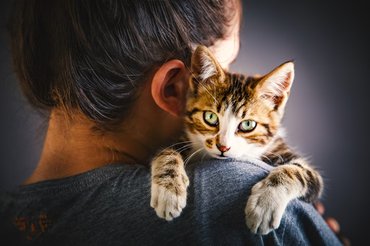
Cuddling and rubbing are important forms of communication for cats: this is how they express love and attachment—or simply ask for attention. Sometimes there is a specific reason behind it, for example when feeding time is approaching or when they are happy to see their owner arrive home. In female cats, being in heat can also trigger more affectionate behavior.
If you’re looking for a true “velcro cat” who enjoys being close to you, seeks your company, and craves physical contact, it may be worth considering the following breeds. Breeds such as the Siamese, Tonkinese, Balinese, Ragdoll, Persian, and Himalayan are particularly well known for their affectionate nature.
The video below perfectly proves that our velvet-pawed friends are more than capable of showing their love:
Sometimes a cat’s sudden and unusually strong attachment may be linked to a health issue. In such cases, the affectionate behavior appears unexpectedly and persists rather than being temporary. Possible underlying causes include hyperthyroidism, diabetes, or even certain cognitive disorders. It is also common for older cats to become more cuddly and sociable with age—this is a natural, age-related change. Additionally, certain veterinary procedures, such as spaying or neutering, may increase a cat’s need for companionship, whether for emotional reasons or due to post-surgical discomfort or pain.
Follow us!
facebook instagram
Related articles
7 Reasons Why Cats Arch Their Backs
Life • 4 minutes
How to cut your cat's claws safely
Care • 3 minutes