


Why Purring Can Turn Into an Attack in a Split Second?
Published: 2026. 05. 11. 07:30 -
- Photos: Getty Images Hungary • 3 minutes readingPublished: 2026. 05. 11. 07:30 -
- Photos: Getty Images Hungary • 3 minutes reading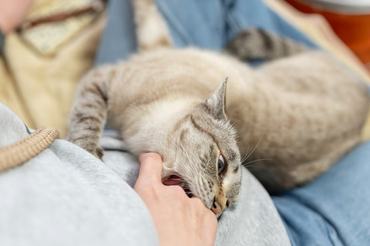
Cats are among the most mysterious and sophisticated communicators in the animal kingdom. While a dog’s joy is often loud and unmistakable, cats communicate through tiny micro-movements, a flick of the ear, or the ripple of their skin. Yet one of the biggest sources of misunderstanding is so-called “overstimulation,” which can confuse even the most experienced cat owners.

Just as some people are more sensitive to certain stimuli than others, cats also have limits when it comes to how much physical contact they can tolerate at once. Among cats, what may seem like intense or aggressive behavior is often simply a reaction to overstimulation. But what lies behind this behavior, and what can we do to prevent the situation from escalating?
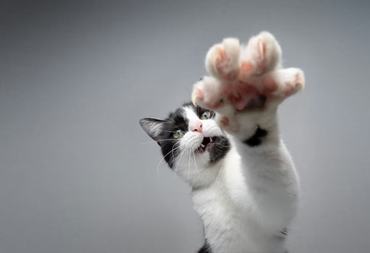
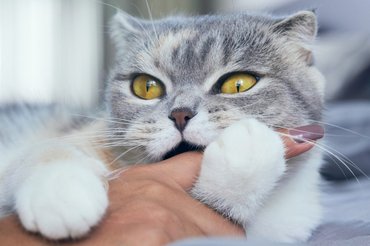
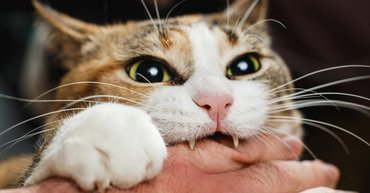
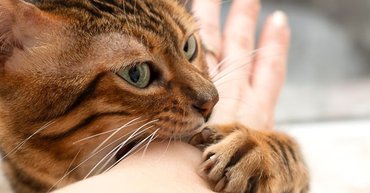
Overstimulation is a real physiological phenomenon in which a cat’s nervous system essentially becomes overloaded in response to touch. What was previously pleasant petting can suddenly become painful, uncomfortable, and stress-inducing for the cat. While biting, scratching, or hissing may seem like an unexpected aggressive outburst to the owner, what is actually happening is sensory overload and stress—something that has nothing to do with the cat’s temperament.
Ironically, the cats most prone to this reaction are often the ones actively seeking attention. The problem is that the subtle warning signs they communicate through body language often go unnoticed. For owners, the most important task is learning to recognize these hidden signals and preventing physical conflict in order to maintain a healthy, harmonious relationship.
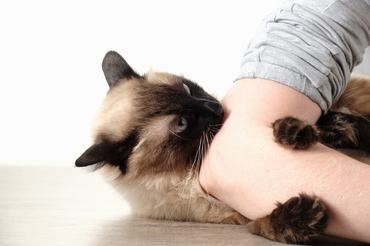
Here are some signs that a cat may be overstimulated:
Often, the first sign is subtle and fleeting, such as a small ripple or twitch in the skin. That’s why it’s so important to stay closely attuned to your cat’s physical movements. Every cat has a different sensory threshold, and no two cases are exactly alike. Cats can even accidentally overstimulate themselves, so it’s worth paying attention to whether they’re rubbing against things too intensely.
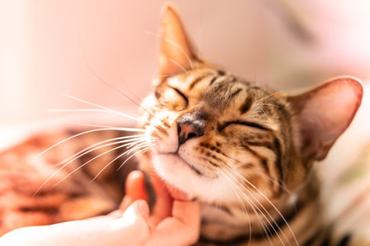
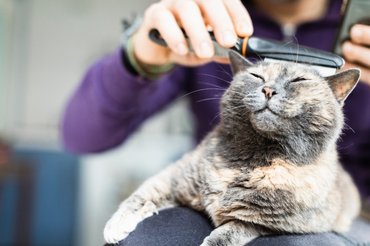
When handling cats prone to overstimulation, it’s essential to limit petting to short, intentional touches, focusing mainly on the head and chin while consciously avoiding the belly and the full length of the back down to the tail. Continuous observation of your cat’s body language is crucial, as subtle signals will reveal when pleasure is turning into sensory overload. At that point, you should immediately pull back and give the cat the time and space it needs to calm down. In the long term, tension caused by physical contact can often be reduced most effectively through daily mental stimulation, regular structured play sessions, or even clicker training. These activities help release pent-up energy and prevent sensory overload.
As Dr. Cecily Palamara, lead veterinarian at the Cat Care Society, explained:
We’re still learning how behavioral and nerve issues are connected. It’s similar in people with a hypersensitivity to a pain response. The nerves are overreactive. It happens a lot in women, and cats with anxiety.
Of course, it’s important not to forget that a cat’s reactions may sometimes stem from an underlying medical issue. Before deciding that your cat’s behavior is caused by overstimulation, it’s worth consulting a professional—and a visit to the veterinarian certainly wouldn’t hurt.
Follow us!
facebook instagram
Related articles

These Were the Most Popular Medieval Cat Names
Life • 3 minutes
10 Things Cats Really Hate
Life • 4 minutes
You’ve Never Seen Cats With Patterns This Strange! (Video)
Life • 3 minutes