


Researchers discovered why cats don’t finish their food: it’s not just because they’re picky
Published: 2026. 05. 17. 07:30 -
- Photos: Getty Images Hungary • 3 minutes readingPublished: 2026. 05. 17. 07:30 -
- Photos: Getty Images Hungary • 3 minutes reading
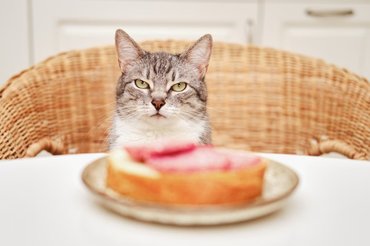
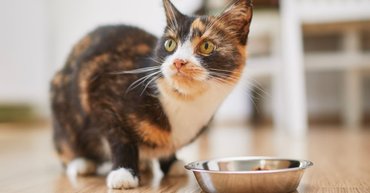
A recent study published in the journal Physiology & Behavior examined why some cats lose interest in their food. To get to the bottom of the question, researchers conducted several feeding experiments with cats.

Masao Miyazaki, an animal behavior researcher at Iwate University, and his colleagues observed 12 cats as they ate six different commercially available dry cat foods. During the experiments, the cats were deprived of food for 16 hours, then given access to food for 10 minutes, followed by a 10-minute break with an empty bowl. This cycle was repeated five times. Here’s what the researchers found — and what they believe explains why cats sometimes stop eating their food.
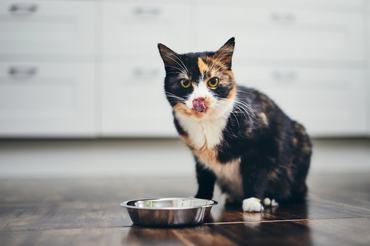
During the experiment, when the cats were given the same food all six times, they ate progressively less during each consecutive feeding round. However, when they were offered a different food each time, they consumed more overall across the six feeding sessions than when they were repeatedly given the same food. The same thing happened when the cats were merely allowed to smell a new food while still being fed the same repeated meal.
These findings suggest that cats do not stop eating simply because they are full. Rather, their feeding motivation decreases as they become accustomed to the smell of the food, and it can be restored by introducing a new odor. Sensory novelty, especially olfactory novelty, can reactivate feeding motivation in cats,
Miyazaki explained in a statement.
The study was based on a relatively small sample size, and the animals were not neutered, so further research will be needed to confirm the findings. It is also important to note that other factors may influence cats’ appetite. For example, some people believe cats eat less from certain bowls because the sides touch their whiskers — a theory often referred to as “whisker stress”. However, existing research has not conclusively confirmed this, even though many cat owners report observations that seem to support it.
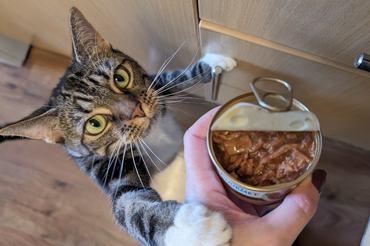
Still, if these new findings hold up, they could have practical applications. “In the future, changing odor cues may help support feeding in cats with poor appetite, such as older or sick cats, and may also be useful for pet food design. For example, it may be helpful to change the smell of food by adding something like a topper or sprinkle,” Miyazaki said. Conversely, maintaining a constant, unchanging diet could potentially help overweight cats lose weight.
The research team plans to continue investigating the sensory and neurological mechanisms that influence feline eating behavior. Miyazaki emphasized that studying changes in blood sugar levels and certain hormones over time will also be essential. Future studies will involve larger groups of cats of different ages and health conditions, and the researchers will also work with smaller model animals, such as mice.
Follow us!
facebook instagram
Related articles