This is why your cat desperately wants to go outside – and how to keep them safe
Published: 2026. 03. 30. 07:30 -
- Photos: Getty Images Hungary • 3 minutes readingPublished: 2026. 03. 30. 07:30 -
- Photos: Getty Images Hungary • 3 minutes reading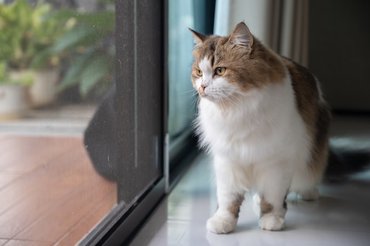
 Set WeloveCatz to appear first in Google search results!
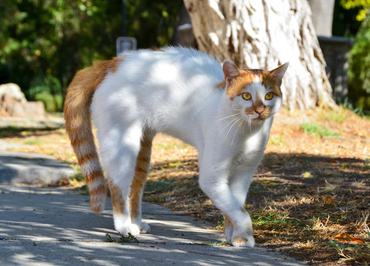
Indoor cats are often curious and long to explore the outdoors. This instinct may stem from their natural curiosity, a desire for new experiences, or simply boredom.

We’ll explain why the urge to escape can be so strong, and what you can do to keep your pet happy and balanced indoors.
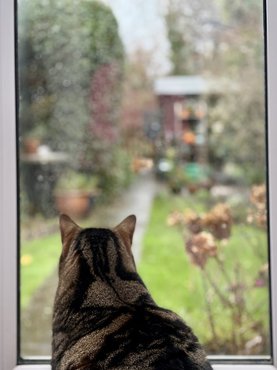
Cats instinctively love to explore and hunt, especially at dawn and dusk, when prey animals are also active. Like dogs, cats are territorial animals, and their territory may extend beyond the apartment to the garden—especially if they sense that other cats are roaming nearby. As a result, they may try to take control of their territory and dash out the door.
In intact cats, hormones strongly influence behavior with the arrival of spring. Simply put, their instincts drive them to find a suitable mate and reproduce. This desire often leads to escape attempts, and unfortunately, they can easily get lost or injured during these times.
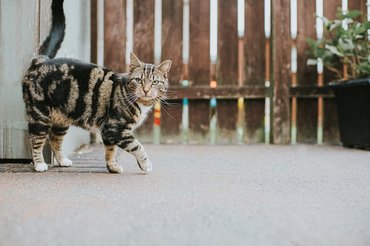
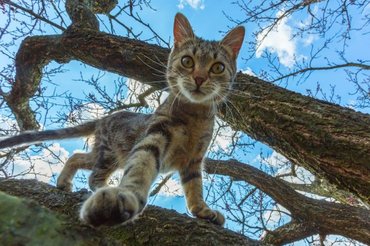
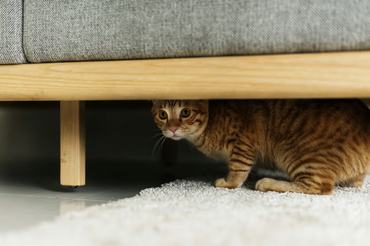
If your pet doesn’t receive enough stimulation, physical activity, or opportunities to express natural hunting behaviors, they can easily become bored. Outdoor cats climb trees, sprint, and chase prey—all of which help them release energy. Indoor cats, on the other hand, are often forced to live in a low-stimulation environment. Boredom can make them more prone to escaping.
As we know, cats are easily affected by noise, renovations, new animals in the household, guests, or even moving to a new home. Changes in routine and disturbing circumstances can also encourage escape attempts.
Spring and summer make cats more active—the amount of light, temperature, and length of days all influence their behavior. Outdoor cats are most active during these seasons, and indoor cats may increasingly crave fresh air to release excess energy.
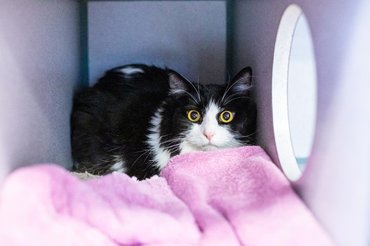
As the saying goes, habit is a powerful force. Once something has been tried and found enjoyable, it’s very hard to give it up later. The same is true for cats: if your cat has been outside even once, it’s likely they will want to go out again and again. Curiosity is a strong instinct, and once they’ve experienced the smells, sounds, and sights of the outdoors, it can be difficult to keep them inside—especially for indoor-outdoor cats.
Follow us!
facebook instagram
Related articles
7 Reasons Why Cats Arch Their Backs
Life • 4 minutes
How to cut your cat's claws safely
Care • 3 minutes